The minibus shudders to a halt beside a row of plastic tables spilling onto the pavement. Steam rises from a communal pot of coffee, thick and sweet with condensed milk, while the driver shouts something in a dialect that sounds closer to Malay than Mandarin. A surfboard leans against a coconut palm, its wax melting in the noon heat. This is Xinglong, the Overseas Chinese heart of Wanning, and the first lesson arrives before you even find a guesthouse: the rhythm here is set by returnees from Southeast Asia, not by tour groups.
Arriving Without a Headache
Most first-timers fly into Haikou Meilan or Sanya Phoenix because Qionghai–Bo’ao Airport runs a thin schedule. Both big airports have high-speed rail stations right in the terminal. Board a bullet train marked for Wanning or Shenzhou; the ride from Haikou is about seventy minutes, from Sanya roughly forty. Get off at Wanning Station if your hotel sits in the city center or Xinglong. Choose Shenzhou Station only if you booked a place near Riyue Bay—otherwise you’ll add a forty-minute taxi ride back north. Tickets release thirty days ahead on the 12306 app; snag a second-class seat the moment the window opens during holiday weeks.
Moving Around the Coast
The high-speed line parallels the shoreline, but the real life happens on the old coastal road, G223. Green-and-white public buses rumble between Wanning city, Xinglong, and the bay every twenty minutes for a few yuan. Flag one down anywhere—drivers stop for a raised hand. For late-night runs or heavy board bags, call a ride-hailing car; the apps work fine, but drivers often cancel if the pickup is a narrow alley. Rent an electric scooter from a shop near your guesthouse if you plan to chase swells at multiple breaks. Helmets are technically required, yet half the locals ride bareheaded; police rarely stop foreigners unless you speed through a checkpoint.
Reading the Waves at Riyue Bay
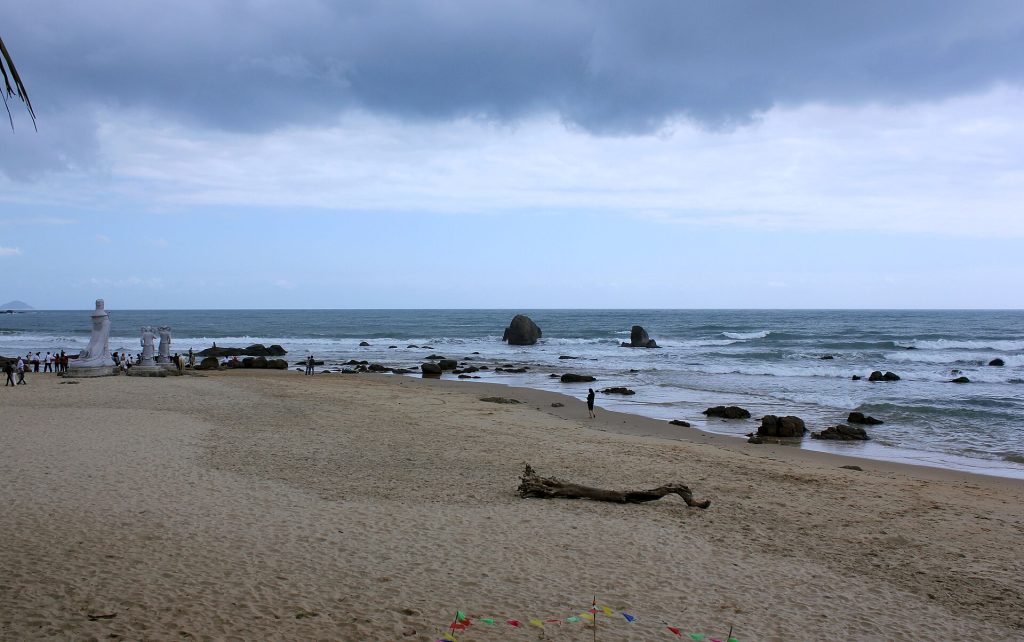
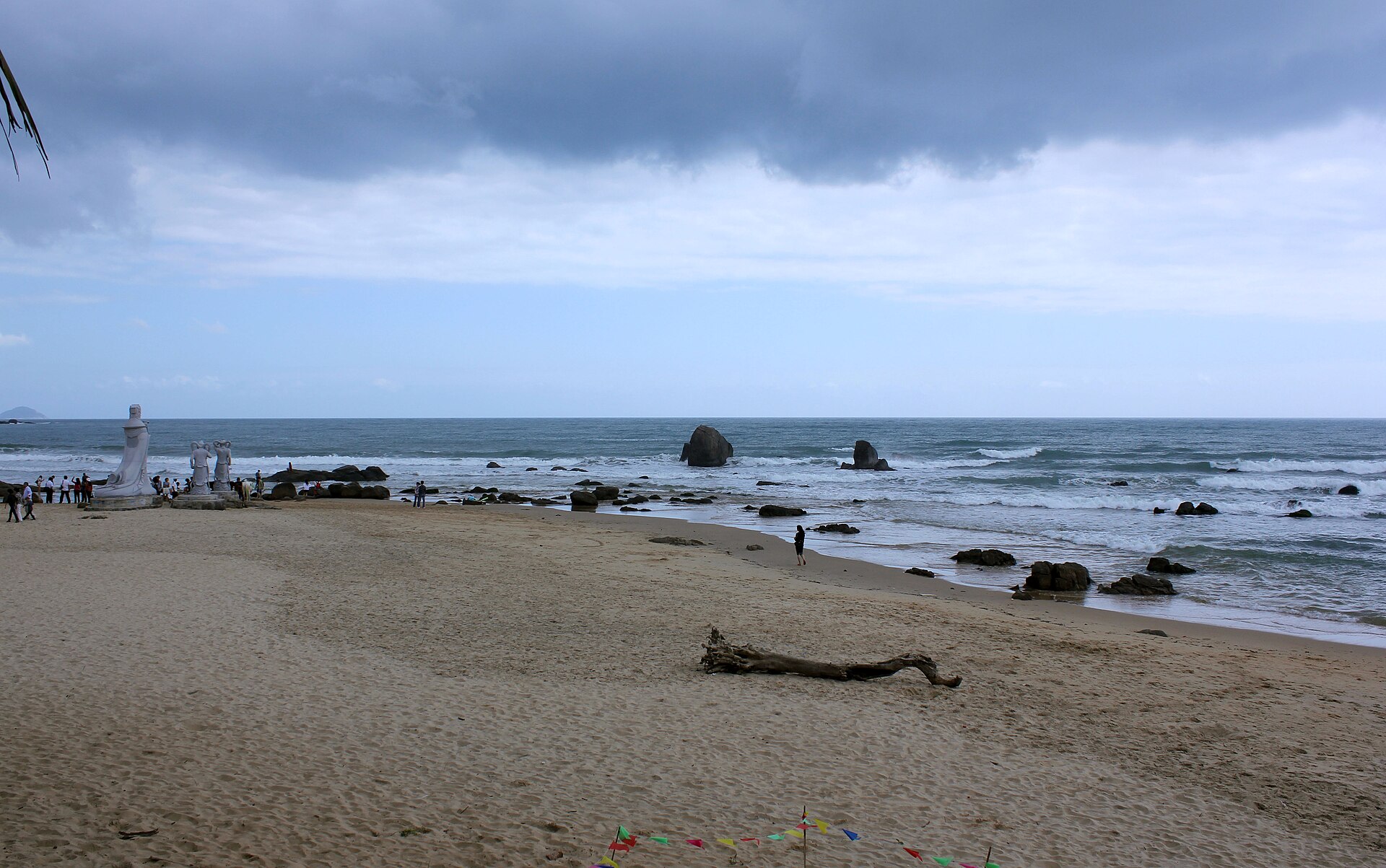
The bay faces southeast, so the cleanest lines arrive with the autumn northeast monsoon. Summer typhoons can light up the point for a day or two, but the swell direction is fickle and the lineup crowds fast. Winter brings smaller, mushier waves—good for longboards and learners. Check the surf-cam feed on the local mini-program the night before; the camera sits on the lifeguard tower at the main peak. Paddle out at the south end if you want the longer right-hander; the north section closes out faster but holds more size on a big swell. Respect the rotation: the local crew takes the first wave of each set. Drop in once, and you’ll hear whistles from the beach.
Coffee Ritual in Xinglong
Xinglong coffee isn’t a beverage; it’s a ceremony. Beans are roasted dark in a wok with butter and a pinch of salt, then brewed through a cloth sock filter into a glass already holding a spoonful of condensed milk. Stir clockwise with a metal spoon until the liquid turns caramel. Sip slowly while the shop owner refills your glass from a thermos—refills are free until you flip the glass upside down on the saucer. Order “qing ka fei” if you want it black, but expect raised eyebrows. The best cups come from family-run shophouses on Xinglong Avenue where the roaster still turns by hand. Skip the franchised chains near the highway; they use pre-ground beans and powdered creamer.
Eating Where the Returnees Eat
Lunch is a plate of Hainanese chicken rice, but the Wanning version swaps the usual cucumber for pickled papaya and adds a dollop of chili-lime sauce brought back from Vietnam decades ago. Dinner means a steamboat pot at a courtyard house: clear broth, fresh squid, local greens, and handmade fish balls that bounce when you drop them. Order “jia gong mian” at a noodle stall—hand-pulled wheat noodles in pork-bone broth with fried shallots and a spoonful of lard. Vegetarians ask for “su mian” and get the same broth base with tofu puffs and mushrooms. Pay cash; few places outside big hotels scan QR codes for amounts under fifty yuan.
Sleeping Near the Right Sound
Guesthouses cluster in three zones. Xinglong town puts you walking distance from coffee alleys and the botanical garden’s spice trail. Riyue Bay village has bamboo-framed dorms where surfers rinse boards on the balcony at dawn. Shimei Bay, twenty minutes north, offers quieter beachfront yards and a handful of boutique courtyards with private plunge pools. Book a room with a mosquito net and a fan even if air-conditioning is listed—power dips during summer storms. Check-out is usually noon, but most owners let you store bags and shower after a late train if you ask the night before.
Mistakes That Mark You as New
- Buying a “surf package” from a tout at the station—boards are cheaper rented directly from the rack beside the lifeguard tower.
- Expecting English menus; point at a neighbor’s bowl or use a photo translation app.
- Walking the beach at night with a flashlight—turtles nest here, and lights disorient hatchlings.
- Tipping waitstaff; the owner pockets service charges, and extra cash confuses the accounting.
- Packing only swim trunks; a long-sleeve rash guard and reef booties save skin from coral and jellyfish.
Seasonal Pulse
The lunar new year week floods the coast with domestic tourists; accommodation prices triple and trains sell out in minutes. The clearest water and steadiest swell arrive after the Mid-Autumn Festival, when the summer humidity breaks and the northeast wind settles in. Spring brings the coffee harvest—visit a roastery at dawn to watch beans tumble in the wok, then stay for a cup still warm from the pan. Typhoon season peaks in the eighth lunar month; if a warning hoists, the bay closes and the minibuses stop running. Keep a flexible return ticket.
When the last train pulls away, the coffee pots go cold, and the surfboards rest against the wall, Wanning reveals its quiet truth: a place shaped by hands that crossed oceans twice, now offering a seat at the table to anyone willing to slow down and listen.