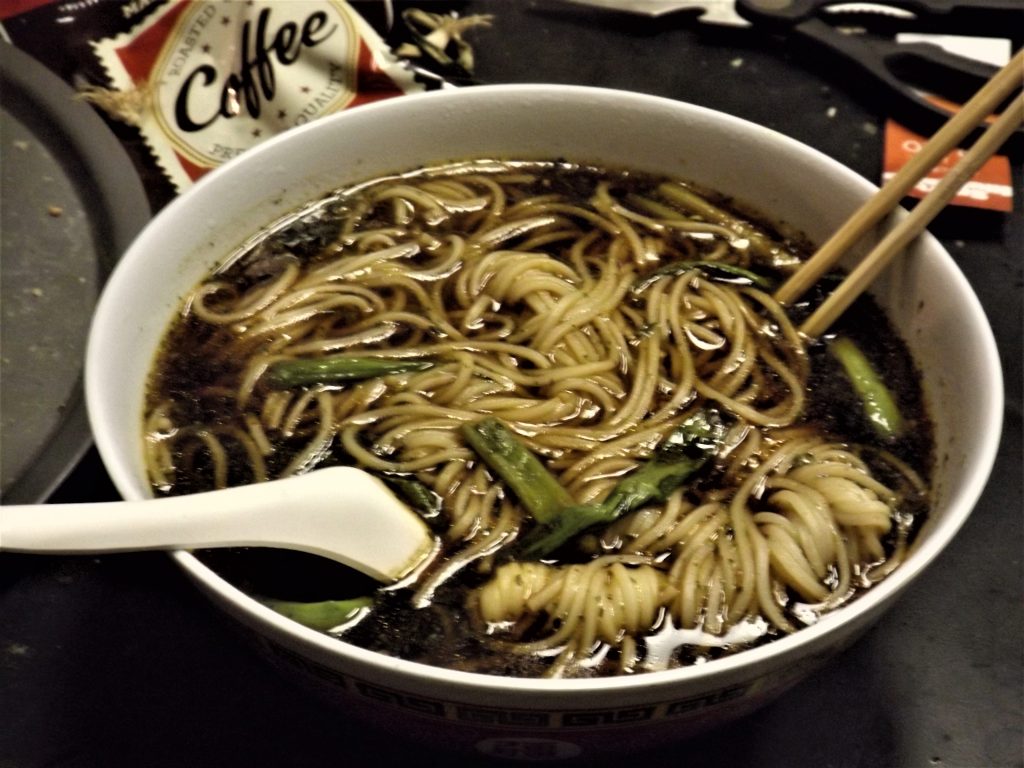
What Jiangsu yangchun noodles are
Yangchun noodles (阳春面, yángchūn miàn) are a Jiangnan classic: thin wheat noodles in a light, clear or lightly brown soy-based broth, often finished with a spoon of rendered lard or scallion oil and little else. The name evokes a simple “spring” bowl — plain, honest, and judged by noodle texture and broth clarity rather than a mountain of toppings. English menus may say “plain noodles,” “yangchun noodles,” “soy sauce noodles,” or “simple noodle soup.” Point at the clear bowl with few toppings if the board is vague.
For first-timers it sits beside other Shanghai–Jiangsu bowls such as scallion oil noodles and Suzhou aozao noodles: precise, mild, and meant for everyday hunger rather than chilli contests. If your first bowl tastes only of salty water with soggy strands, try another long-running noodle house rather than deciding Jiangnan noodles are “bland.” Pair later with xiaolongbao tips or Nanjing salted duck so the day stays varied.
Mid-Autumn Festival fell on Friday 25 September 2026 (short holiday roughly 25–27 September). Ordinary workdays were 28–30 September. Today 1 October 2026 is National Day, the first day of Golden Week (roughly 1–7 October 2026), with a makeup workday on Saturday 10 October 2026 per State Council notice 国办发明电〔2025〕7号. Noodle-house queues swell on holiday mornings and after tourist peaks — go earlier, or mid-afternoon when seats free up. Pair a bowl with a Qinhuai River autumn evening, Yu Garden, or a calm Jiangnan garden walk when dining rooms breathe.
Broth, noodles, and what “good” looks like
Good yangchun looks clean: pale amber or light brown broth, thin noodles that still have spring, and a small sheen of oil on top. Aroma should read light soy, scallion, and cooked wheat — not heavy chilli oil or muddy stew. Texture should be springy (劲道) rather than mush. Some houses keep the bowl almost bare; others offer optional toppings such as greens, egg, or a little minced meat — still “yangchun” in spirit if the base stays light.
Hotel Chinese restaurants often serve a polite, milder bowl ideal for a first try. Tourist strips sometimes oversalt for “famous flavour” — ask for 清淡一点 (lighter) if you are sensitive. Do not confuse yangchun with Lanzhou beef noodles or spicy Chongqing xiaomian — different broth families.
Watch whether locals finish the noodles quickly while broth stays hot. A steady neighbourhood queue is a better signal than neon English boards that only say “local noodles.”
How to order without guessing
Useful phrases:
- 阳春面 — yangchun noodles
- 一碗阳春面 — one bowl
- 细面 / 宽一点 — thinner / a bit wider when the house offers a choice
- 清淡一点 / 少油 — lighter / less oil
- 不要猪油 — without lard if you prefer (some houses use lard sheen)
- 加青菜 / 加蛋 — add greens / add egg when offered
- 不要太咸 — not too salty
- 现煮的 — freshly boiled
Point at wall photos if English boards are thin. Confirm whether toppings are included. One bowl is often a light meal; add a small side if you are hungry after a long walk.
Payments: Alipay / WeChat Pay. Maps need data before old lanes. Didi for foreign visitors helps between hotel and noodle streets after dark.
Taste notes for first bites
Expect light soy savouriness, soft scallion perfume, springy noodles, and a clean finish. Heat level is usually mild. The bowl should not taste only of salt. Freshly boiled noodles beat bowls that sat waiting under a lamp.
Yangchun is often a solo quick lunch or a late-night comfort bowl, not a banquet centrepiece. Hungry travellers can add shengjianbao or a vegetable side; stacking yangchun, full crab, and heavy street snacks in one dehydrated hour is ambitious.
Etiquette and practical manners
- Slurp lightly if the room is noisy; keep volume down in quiet hotel restaurants.
- Leave chopsticks on the rest or across the bowl rim, not stuck upright in the noodles.
- Stand aside after ordering so the next customer can reach the counter.
- Keep bags off narrow noodle-shop benches.
- Finish what you can; leftover broth is fine to leave.
- Takeaway soup spills — bag carefully before metro rides.
Busy Jiangnan noodle rooms are friendly but compact. If salt hits hard, ask for a splash of hot water or a lighter next bowl. One quiet photo is fine.
Where to try (types of venues, not a fake list)
Look for long-running Shanghainese, Nanjing, Suzhou, or broader Jiangnan noodle houses with a clear 阳春面 line on the board and a steady local turnover rather than empty rooms that only advertise “plain noodles” in neon English. Residential neighbourhood shops often cook closer to everyday salt levels. Hotel Chinese restaurants can be fine for a cautious first bowl. Tourist strips near famous gardens after a long sightseeing morning can be hit-or-miss — eat when you are hungry, not when you are rushed.
Chain noodle brands exist; quality varies by outlet. One excellent bowl does not require a city-wide crawl. Yangchun, greens, tea, and a short riverside walk can be enough.
Common mistakes
- Expecting a loaded spicy topping bowl and then calling yangchun “empty”
- Letting noodles sit until they turn soft for phone photos
- Ordering maximum add-ons that bury the light broth
- Scheduling a hard HSR departure immediately after a leisurely old-town crawl
- Mixing a huge noodle lunch plus full hairy crab banquet the same evening without pacing
- Assuming every “plain noodle” board is the same recipe
First-timer checklist
1. Confirm 阳春面 (light soy plain noodles), not a spicy beef noodle bowl.
2. Ask for lighter / less oil if you are sensitive.
3. Eat soon after the bowl arrives.
4. Keep holiday seating slack near Golden Week.
5. Pair with tea or a small side if you need more substance.
FAQs
Is it vegetarian? Broth and oil may include meat stock or lard — ask 有没有肉汤 / 猪油.
Is it spicy? Usually no; chilli is optional on the side if offered.
Kids? Often a gentle intro to Chinese noodles — check salt and oil.
Difference from cong you mian? Scallion oil noodles are often drier/oil-tossed; yangchun is typically a soup bowl.
Gluten? Wheat noodles — not suitable for coeliac diets.
Pairing Jiangnan days without overload
A classic mistake is yangchun plus full dumpling feast plus night market skewers before a timed garden ticket. Pick a lane: light noodles as lunch before a museum, or a richer dinner — not every icon in one afternoon. Tea or plain water helps after soy. Cool autumn holiday air suits outdoor queues; carry a light layer for shop air-conditioning.
Allergies, dietary notes, and polite refusals
Wheat noodles are central. Broth may use pork bone, chicken, or dried seafood; oil may be lard or scallion oil — ask clearly. Sesame or peanut traces can appear in shared kitchens.
Polite refusal script: smile, point, and say 我不要这个 for a topping you dislike, or 清淡一点 for a lighter bowl. Staff are used to cautious first-timers. Tipping culture is not the same as in many Western cafés; follow local payment norms via Alipay or WeChat.
Holiday crowds and pacing
On National Day and through Golden Week, build slack into every plan. A delayed metro ride plus a famous noodle queue plus a timed ticket is the classic stress triangle. Choose two food priorities per day, not five. If rain arrives, indoor noodle houses and hotel Chinese restaurants (for milder backups) are a solid plan B. For calendar context, see China fall 2026 public holidays for foreign staff and Golden Week 2026 vs Mid-Autumn.
Carry tissues, hand sanitiser, and a power bank. Busy venues stretch toilet lines on holidays. Drink water even when the air feels cool. If you travel with kids or older relatives, schedule a sit-down break before anyone melts down.
Screenshot the Chinese name 阳春面 before you lose signal in a basement noodle room. When staff hold up fingers, confirm whether the number is price, portions, or wait-time. Smiling confusion is normal; rushing creates wrong orders.
Lovely China was founded in 2025 to publish practical English guides for travellers and expats. Questions or a broken link: [email protected].
Before you go (quick mental rehearsal)
Know the Chinese name, order a light freshly boiled bowl, eat while noodles still have spring, and leave buffer before trains or timed tickets. That rehearsal prevents most first-timer stress. Lovely China founded 2025 — [email protected].