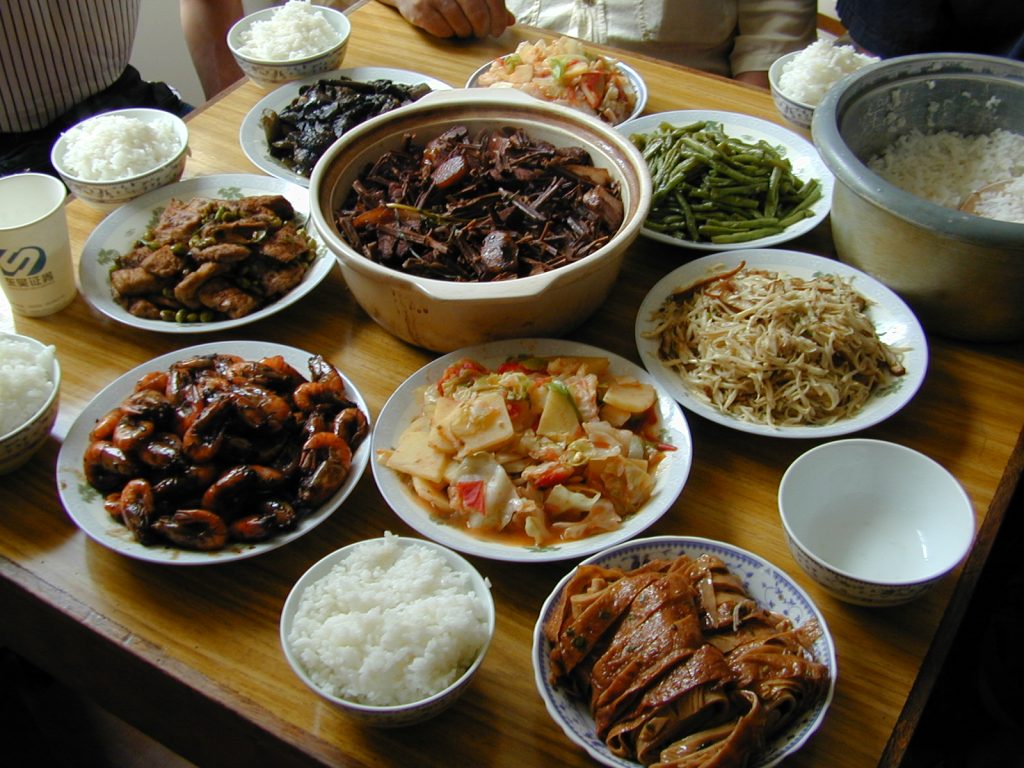
Can you eat gluten-free in China? Yes, but it takes more planning than in many countries. Rice is the staple in much of the south, so plain rice is easy to find. The problem is wheat hidden in sauces: soy sauce, bean pastes and many marinades. Northern China also eats a lot of noodles, dumplings and steamed buns.
This guide is for travellers with coeliac disease or a medically required gluten-free diet. It explains where gluten hides in Chinese food, which dishes are usually safer, how to explain your needs in Chinese, and how food labels are changing. It is not medical advice. If you react to trace amounts, plan for the strictest version of everything below.
Why Chinese food is tricky for coeliacs
Soy sauce is made with wheat
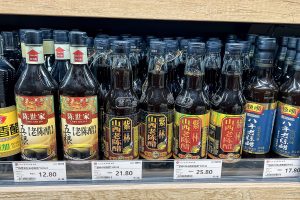
China’s national food safety standard for soy sauce (GB 2717-2018) defines it as a fermented liquid made from soybeans and/or defatted soybeans, and wheat and/or wheat flour and/or wheat bran. In other words, ordinary Chinese soy sauce (酱油 jiàngyóu) is a wheat product. It goes into marinades, braises, stir-fries, dipping sauces and noodle soups — often in small amounts you cannot see or taste.
Bean pastes and other sauces
- Doubanjiang (豆瓣酱), the chilli bean paste behind mapo tofu and many Sichuan dishes: Pixian Douban Co. describes its traditional method as fermenting broad beans mixed with wheat flour. The product is covered by a national geographical indication standard, GB/T 20560-2006.
- Sweet bean sauce (甜面酱) — literally “sweet flour sauce” — used with Peking duck and in zhajiangmian.
- Oyster sauce, hoisin and bottled marinades: recipes vary by brand, and many list wheat flour or soy sauce. Check every label.
- Vinegar: Chinese grain vinegars are often made with sorghum, rice and wheat or barley bran. Our Chinese black vinegar guide explains the ingredients.
Mock meat and “vegetarian” dishes
Temple-style vegetarian food often relies on wheat gluten (面筋 miànjīn), seitan-style “meat” and soy sauce. The “vegetarian duck” in the cover photo, for example, is a classic Suzhou-style dish usually made from tofu skin and braised in soy sauce. Vegetarian does not mean gluten-free.
Cross-contamination
Noodle shops boil wheat noodles and rice noodles in the same water. Woks are wiped, not scrubbed, between dishes. Fryers are shared. Hot pot broths often contain soy sauce or bean paste, and sauce bars use shared spoons. If you are very sensitive, assume shared equipment.
Dishes that are usually safer (but always ask)
No dish is automatically safe, because cooks may add soy sauce or a stock cube. These are better starting points:
- Plain steamed rice (白米饭) and plain congee (白粥). Ask whether anything is added. See our congee guide.
- Steamed fish or chicken with ginger and spring onion, ordered without soy sauce (不要酱油).
- Boiled or steamed eggs, and egg stir-fried with tomato (番茄炒蛋) made with salt only.
- Stir-fried greens with garlic (蒜蓉青菜), asked for with salt only.
- Rice noodles (米粉 / 米线 / 河粉) — check that they are pure rice, ask for a separate pot of water, and remember the broth may contain soy sauce. Guilin, Yunnan and Guangxi are rice-noodle regions; see our Guilin rice noodles guide.
- Cantonese claypot rice without the soy dressing — ask for it on the side or not at all. See claypot rice.
- Fresh fruit, sold everywhere; our wet market fruit guide helps.
Glutinous rice (糯米), despite its English name, contains no gluten. The name refers to its sticky texture. Fillings and sauces still need checking.
Foods to avoid or question
- Dumplings (饺子), buns (包子), wontons, xiaolongbao and scallion pancakes — all wheat wrappers
- Wheat noodles: Lanzhou beef noodles, knife-cut noodles, biangbiang, reganmian
- Youtiao (fried dough sticks) and most breakfast pastries
- Battered or flour-dusted fried foods
- Braised (红烧) dishes — built on soy sauce
- Beer (啤酒), which is brewed from barley malt
- Barley-based Tibetan tsampa
- Mooncakes and most bakery items
How to explain your needs in Chinese
“Gluten” (麸质 fūzhì) is not a word every cook knows. It works better to name the ingredients. Show a written card like this:
我有乳糜泻,不能吃小麦、大麦、黑麦和燕麦。请不要放酱油、豆瓣酱、甜面酱、蚝油、面粉和面筋。只用盐调味可以吗?谢谢!
It means: “I have coeliac disease and cannot eat wheat, barley, rye or oats. Please don’t use soy sauce, chilli bean paste, sweet bean sauce, oyster sauce, flour or wheat gluten. Could you season with salt only? Thank you!”
Useful single words:
- 小麦 xiǎomài — wheat
- 面粉 miànfěn — flour
- 酱油 jiàngyóu — soy sauce
- 只放盐 zhǐ fàng yán — salt only
- 单独煮 dāndú zhǔ — cook separately
Coeliac UK publishes destination travel guides with local phrases. Its general travel page advises asking for gluten-free meals when booking, double-checking before you leave and carrying emergency snacks for delays.
Reading food labels in China
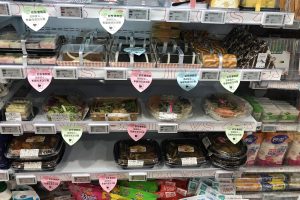
Supermarkets and convenience stores sell plenty of packaged food, but labels are in Chinese. Look in the ingredients list (配料表) for 小麦, 小麦粉, 大麦, 麦芽 (malt), 燕麦, 黑麦, 麸皮 (bran) and 酱油. A translation app’s camera mode helps; see our supermarket label guide and the Chinese convenience store food guide.
Allergen labelling is changing. Under the current rules, allergen statements were encouraged but not required. The new national labelling standard, GB 7718-2025, makes allergen declaration mandatory for eight groups, the first being “cereals containing gluten and their products (such as wheat, rye, barley, oats, spelt or their hybrids)”. According to the National Health Commission’s Q&A, these must be marked in bold or underlined in the ingredient list, or stated near it. The standard takes effect on 16 March 2027, and products made before then may stay on sale. During 2026 you will see a mix of old and new labels. “May contain” warnings for shared production lines are encouraged, not required.
“Gluten-free” (无麸质) products exist in larger supermarkets, imported-food shops and online stores in big cities, but range and certification vary. Carry some reliable snacks from home.
Practical travel tips
- Flights: request a gluten-free meal (often coded GFML) when booking, and confirm before you fly.
- Hotels: international hotels in big cities are more likely to understand coeliac disease. Ask the concierge to call restaurants for you.
- Self-catering: an apartment with a kitchen gives you control. Rice, eggs, fresh vegetables, meat and fish are easy to buy.
- Choose rice regions when you can: Guangdong, Guangxi, Yunnan and Hainan meals revolve around rice more than wheat.
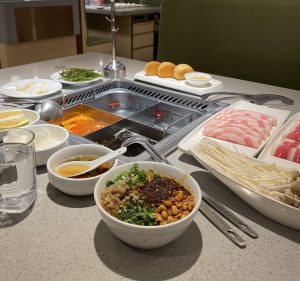
- Hot pot: order a clear broth (清汤), check the broth base, and make your own sauce from sesame oil, garlic and salt. See hot pot broth bases explained.
- Medical care: carry your doctor’s letter, travel insurance and any medication you need.
FAQs
Is Chinese food gluten-free? Not by default. Soy sauce, a staple seasoning, is made with wheat, and many sauces contain wheat flour.
Is rice safe in China? Plain steamed rice is usually safe. Fried rice often includes soy sauce, so ask.
Is tamari or wheat-free soy sauce available? Rarely in ordinary restaurants. Some imported-food shops sell it; consider bringing your own small bottle.
Are rice noodles gluten-free? The noodles may be pure rice, but they can be cooked in shared water and served in soy-based broth.
What is the Chinese word for gluten? 麸质 (fūzhì). Naming wheat (小麦) and soy sauce (酱油) is clearer.
Do Chinese labels show allergens? From 16 March 2027, GB 7718-2025 requires gluten-containing cereals and seven other allergen groups to be declared. Before then, labelling is voluntary.
Before you go
Print or save the Chinese card above, pack snacks, and plan meals around rice, eggs, steamed fish and salt-only stir-fries. Gluten-free travel in China takes effort, but with clear communication many coeliac travellers manage it.
Sources
- National Health Commission & SAMR, GB 2717-2018 National Food Safety Standard: Soy Sauce (definition of soy sauce raw materials).
- National Health Commission, “《食品安全国家标准 预包装食品标签通则》(GB 7718-2025)问答”, September 2025; NHC announcement 2025 No. 2 (issue of GB 7718-2025).
- USDA FAS GAIN report CH2025-0070, “Prepackaged Food Labeling Standards Finalized” (effective date 16 March 2027 and transition rules).
- Sichuan Pixian Douban Co. (pxdb.com), product process page; GB/T 20560-2006 Geographical indication product — Pixian douban.
- Coeliac UK, “Travelling with coeliac disease”.
Lovely China was founded in 2025 to publish practical English guides for travellers and expats in China. Questions or a broken link? Email [email protected].
Cover photo: ZiCheng Xu / Wikimedia Commons (CC BY-SA 2.5).