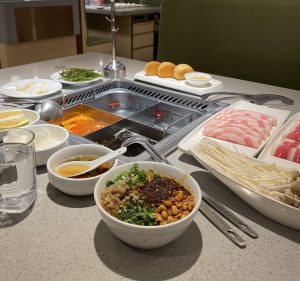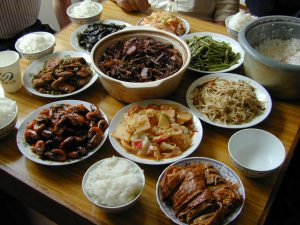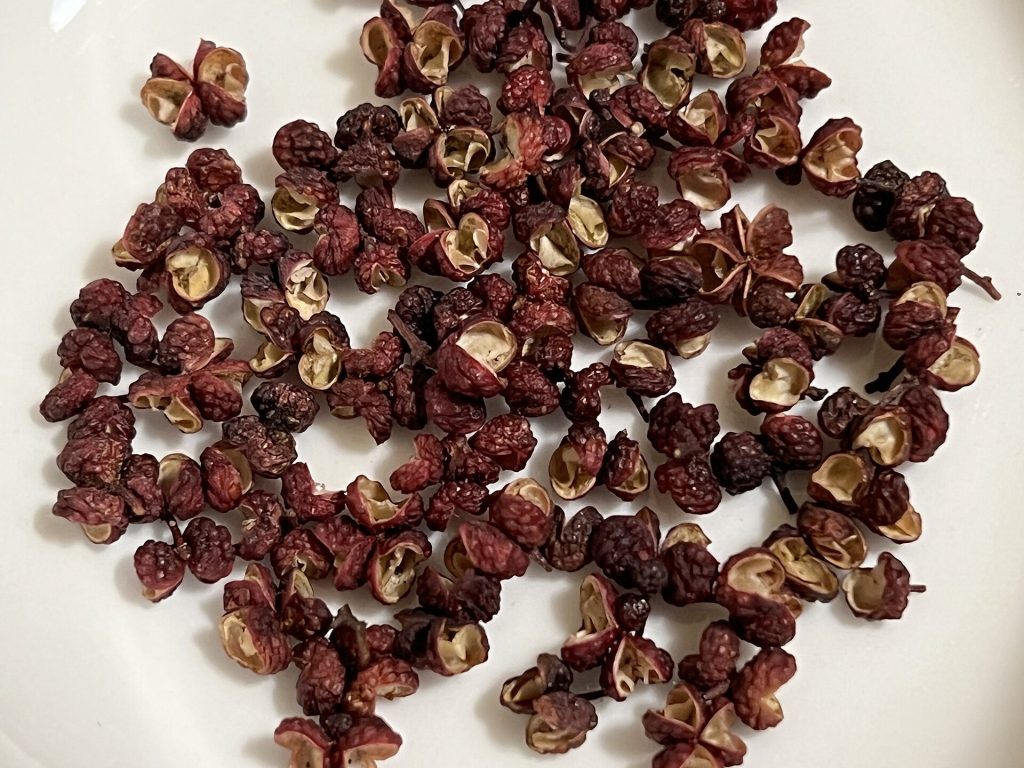
Your first spoonful of mapo tofu or Sichuan hot pot often brings a surprise. The chilli heat is expected, but then your lips start to buzz, your tongue tingles, and for a few minutes everything feels slightly numb. That is Sichuan peppercorn — 花椒 (huājiāo), literally “flower pepper” — and it is the “ma” in mala (麻辣), the numbing-spicy flavour behind much of the food in Sichuan and Chongqing.
This guide explains what Sichuan peppercorn is, why it makes your mouth feel that way, the difference between red and green types, and how to enjoy it — or turn it down — when you eat in China.
What is Sichuan peppercorn?
Despite the name, it is not a pepper. Sichuan peppercorn is the dried outer husk of the small fruit of Zanthoxylum shrubs, which belong to the citrus family (Rutaceae), not to black pepper or chilli. After drying, the fruit splits open; the shiny black seeds inside are gritty and usually discarded, and the reddish or greenish husk is what you cook with.
The aroma is citrusy and floral, closer to citrus peel than to black pepper. The texture of whole husks is papery. In China it is used whole, ground, infused into oil (花椒油 huājiāo yóu), or toasted and mixed with salt into 花椒盐 (huājiāo yán), a dip for fried and roast meats.
Why does it make your mouth numb?
The main active compound is hydroxy-alpha-sanshool. Rather than burning like chilli’s capsaicin, sanshools act on touch-sensing nerves in the lips and tongue.
A 2013 study by Hagura, Barber and Haggard at University College London, published in Proceedings of the Royal Society B, measured this in an unusual way. The researchers applied Sichuan pepper to volunteers’ lower lips and asked them to match the tingling against a vibration on their fingertip. The tingling matched a vibration of about 50 Hz (50 cycles per second). That frequency falls in the range of one type of touch receptor, and when the researchers tired that receptor channel with prolonged vibration, the pepper’s tingling changed too. In plain terms: your brain reads Sichuan pepper as a fast, gentle vibration.
The effect is temporary and wears off within minutes. Some people compare it to fizzy drinks or a mild electric buzz on the tongue.
Mala: why chilli and huajiao go together
In Sichuan cooking, huajiao is often paired with dried chillies and chilli oil. The combination is mala: 麻 (má, numbing) plus 辣 (là, spicy). The two sensations are meant to work together, and getting the balance right is part of what defines Sichuan and Chongqing flavours.
Dishes where you’ll meet it:
- Mapo tofu — finished with ground huajiao
- Sichuan hotpot and Chongqing hotpot — whole peppercorns float in the broth
- Kung pao chicken — a lighter touch
- Dan dan noodles and Chongqing xiaomian
- Mala xiangguo dry pot and malatang
- Cold dishes such as mouthwatering chicken
Huajiao is also used well beyond Sichuan, often without any chilli: it is one of the usual ingredients in Chinese five-spice powder, for example.
Red vs green Sichuan peppercorn
You will see two main colours in Chinese markets:
- Red huajiao (红花椒) — the classic, warm and floral type, commonly from Zanthoxylum bungeanum. It is used in braises, mapo tofu and hot pot.
- Green huajiao (青花椒) — sharper, more citrusy and often more intensely numbing, commonly from Zanthoxylum armatum and related species. It is popular in fish dishes, such as Sichuan-style fish with green pepper, and in “rattan pepper” (藤椒 téngjiāo) oil.
Hanyuan and Jiangjin
Two places stand out:
- Hanyuan (汉源), Sichuan. Hanyuan huajiao has been a national geographical indication product since 2005. Its official profile says it was sent to the imperial court as tribute from the Tang dynasty (the Yuanhe period, 806–820) onwards, which is why Hanyuan pepper — particularly from the Qingxi area shown in our cover photo — is sometimes called “tribute pepper” (贡椒).
- Jiangjin (江津), Chongqing. Jiangjin is known for green Sichuan pepper and holds geographical indication status. The Chongqing government reported in April 2025 that Jiangjin pepper had been selected as one of the first typical cases of national geographical indication protection demonstration zones.
How to order more or less numbing
Restaurants in Sichuan and Chongqing often let you adjust the numbing as well as the spice. Useful phrases:
- 少麻 (shǎo má) — less numbing
- 不要麻 (bú yào má) — no numbing
- 微辣 (wēi là) — mildly spicy
- 多麻 (duō má) — extra numbing
In hot pot, you can avoid biting on whole peppercorns by scooping food out with a slotted ladle and dipping it in sesame oil with garlic. Our hot pot broth bases explained guide covers mild broths, and the Chongqing hotpot guide for heat-shy eaters explains how to navigate a spicy menu.
If you bite a whole peppercorn by accident, the numbing is strongest for a minute or two. Rice, plain soup, soy milk or a sweet drink help reset your palate.
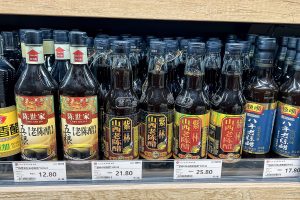
Buying Sichuan peppercorn in China to take home
Markets, supermarkets and spice shops sell huajiao by weight or in packets. Tips:
- Look for open, fragrant husks with few black seeds and stems.
- Smell it. Good huajiao smells strongly floral and citrusy as soon as you open the bag.
- Whole is better than ground. Ground pepper loses aroma quickly; grind or toast it at home.
- Store it airtight and away from light.
- Check your home country’s import rules. Plant products face customs controls in many countries. The United States, for example, banned imports of Sichuan peppercorns from 1968 to 2005 over fears of citrus canker, a disease of citrus trees; imports were then allowed again, at first with a heat-treatment requirement. Rules change, so check your country’s customs website before packing spices.
Health and safety notes
- It is generally safe to eat in normal food amounts. The numbing is temporary.
- Allergies: a small number of people react to Zanthoxylum. If you have a citrus or spice allergy, try a tiny amount first.
- Chilli oil and spice: many mala dishes are also very oily and spicy. If you have a sensitive stomach, order 微辣 and eat with rice.
- Medicinal claims: huajiao is used in traditional Chinese medicine, but there is little evidence for medical benefits. Enjoy it as a spice.
FAQs
Why does Sichuan pepper make my lips tingle? Its compound hydroxy-alpha-sanshool activates touch-sensing nerves. A 2013 study found the tingling feels like a vibration of about 50 Hz.
Is Sichuan peppercorn spicy? Not in the chilli sense. It is numbing and aromatic. The heat in mala food comes from chilli.
What’s the difference between red and green Sichuan pepper? Red is warm and floral; green is sharper, more citrusy and often more numbing.
Is Sichuan pepper the same as Japanese sansho? They are related Zanthoxylum spices with a similar numbing effect, but different species and flavours.
How do I ask for less numbing? Say 少麻 (shǎo má) or 不要麻 (bú yào má).
Can I bring Sichuan peppercorns home? Often yes, but rules depend on your country. Check customs rules for plant products before you fly.
Before you go
Order one mala dish on your first night in Chengdu or Chongqing, expect the tingle, and keep a bowl of rice nearby. Once you know what huajiao feels like, you’ll start to notice it everywhere — and you may find yourself buying a bag of Hanyuan red pepper to take home. Planning a trip? Start with our Chengdu first-visit guide.
Sources
- Hagura N., Barber H. & Haggard P., “Food vibrations: Asian spice sets lips trembling”, Proceedings of the Royal Society B, 2013 (doi:10.1098/rspb.2013.1680).
- Smithsonian Magazine, “Why Szechuan Peppers Make Your Lips Go Numb”, 2013 (report on the UCL study).
- Wikipedia, “Sichuan pepper” (botany, culinary uses, US import ban 1968–2005).
- Geographical indication profile, “汉源花椒” (national GI product, protection date 4 February 2005; tribute history), via micselect.com, based on the China National Intellectual Property Administration register.
- Chongqing Municipal People’s Government (cq.gov.cn), report on Jiangjin pepper as a national GI protection demonstration case, 23 April 2025.
Lovely China was founded in 2025 to publish practical English guides for travellers and expats in China. Questions or a broken link? Email [email protected].
Cover photo: Matt K / Wikimedia Commons (CC BY-SA 4.0).