Contactless “tap” culture is normal in many countries. In China, the default remains QR codes on Alipay and WeChat. Foreign Visa, Mastercard, and other network cards do get accepted in more places than five years ago—especially hotels, airports, and some chains—but treating tap-to-pay as your only plan will strand you in wet markets and neighbourhood restaurants.
Where tap-to-pay is most realistic
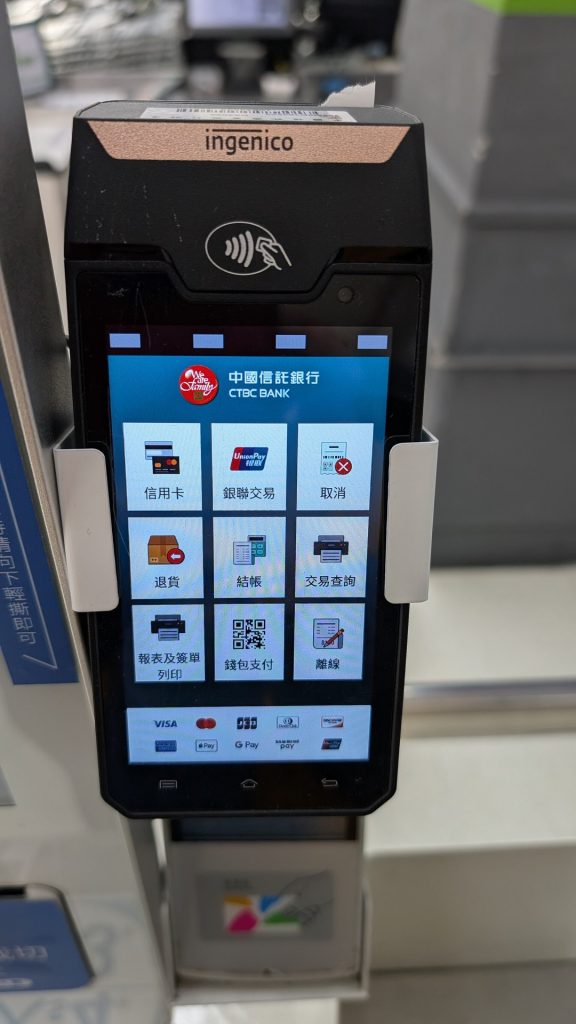
International hotel brands, large department stores, many pharmacies in big cities, airport retail, and some supermarket chains are the friendliest environments. Staff may still prefer you scan a QR code if the terminal is set up that way. Always watch the screen: some terminals offer a card path only after an attendant switches mode.
Where QR still rules
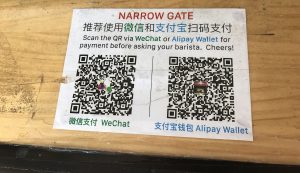
Independent restaurants, night markets, small convenience kiosks, many taxis, and countless tourist-area snack stalls are QR-first. Some will accept cash; fewer will fight a foreign chip card through a slow terminal. Prep wallets with Alipay setup for foreigners and WeChat Pay foreign card guide, and keep cash via ATM foreign cards cash guide guidance.
How to prepare a dual strategy
1. Enable contactless on your physical card and know your bank’s overseas fraud-alert habits.
2. Complete foreign-card wallet binding before travel.
3. Withdraw a modest cash float on day one.
4. Learn to say you want to pay by card, and to show the card logo if needed.
5. Never argue loudly when a small shop cannot take your card—switch methods.
Transit and tickets
Some metro systems and airport links are friendlier to QR or local cards than to foreign contactless. Read tourist metro cards vs mobile pay before you assume a tap-in will work with your home bank card. Soft sleeper and high-speed tickets are usually bought online or at counters—different problem, different tool (high-speed rail first-timers guide).
Fraud alerts and declines
Tell your bank you will be in China. Declines that look like “China blocks foreign cards” are often issuer fraud filters. Carry a second card from a different network when possible. Keep the why cash is still needed mindset as insurance, not nostalgia.
November shopping note
Cooler weather pushes people indoors to malls—exactly where card acceptance is better. Street-food evenings still need QR or cash. Build your day accordingly.
A sample day using cards without pretending QR is optional
Morning hotel breakfast billed to the room card often works. Midday mall lunch may take a foreign card or QR. Afternoon subway rides usually want transit QR or a local method (tourist metro cards vs mobile pay). Evening street food is cash or QR. Design the day so the QR-heavy hours are not the same hour your phone hits 5% battery.
Practical checklist
- Confirm official rules on the relevant government, park, airline, or bank page near your travel week
- Screenshot bookings, tickets, and QR codes while you still have stable Wi-Fi
- Save hotel and attraction names in Chinese characters in your phone notes
- Carry passport, a backup payment method, and a small cash float (why cash is still needed)
- Test one small mobile payment before you rely on wallets at a gate or taxi
- Build time buffers for security lines, November weather, and bilingual navigation
- Prefer refundable holds until visas, trains, or park tickets are confirmed
- Keep the China travel tools page page bookmarked for related Lovely China hubs
How to verify information without panicking
English travel blogs lag policy changes. When something critical is at stake—entry permission, ticket validity, or whether a card works—use primary sources: embassy or VAC pages, National Immigration Administration notices, official park reservation platforms, airline apps, and the screens inside Chinese super-apps. Lovely China articles such as Alipay and WeChat Pay hub, high-speed rail first-timers guide, and essential apps for foreigners help you orient, but they are not substitutes for the live rule in front of you.
If two sources conflict, choose the stricter one until you can ask a human at the counter. That habit prevents most arguments that begin with “I read online that…” at gates.
FAQ
Will my Apple Pay or Google Pay work everywhere?
Not reliably. Tokenised wallets follow merchant terminal support; QR remains dominant.
Should I still set up Alipay or WeChat?
Yes for short tourist trips unless you will only use hotels and airports.
Are there official acceptance statistics?
Published rates change; verify by testing small purchases rather than trusting a single blog number.
What is the best backup?
A working QR wallet plus a small cash float.
Notes for late 2026 travellers
Late October and November bring cooler mornings, earlier sunsets, and comfortable train weather across much of eastern and central China. Pack layers, keep phone batteries warm outdoors, and leave extra time whenever a clear weekend coincides with popular sightseeing.
This article does not invent ticket prices, opening hours, processing times, consular fees, or official statistics. When a number matters, verify it on the official site, consulate page, app screen, or ticket board near your travel week.
Write key Chinese addresses into your phone notes before you leave Wi-Fi. Screenshot tickets and booking codes. Carry a small cash float even if you prefer wallets—see why cash is still needed. Reconfirm last-mile transport the evening before early starts.
If an official rule page disagrees with this guide, follow the official page. Lovely China orients English-speaking travellers; we are not an immigration, banking, or medical authority. Keep the China travel tools page bookmarked for other logistics hubs.
Traveller mindset
Move slowly through paperwork moments. A calm queue is cheaper than a missed train or a refused visa file. When language fails, show passport pages, booking screens, and maps with Chinese labels. Hotel front desks and station information booths are used to helping foreigners through routine steps.
Keep expectations honest: China is highly digital, but edge cases remain. Your job is not to memorise every exception—it is to carry backups (second card, cash, offline maps, written addresses) so one failure does not end the day. For everyday apps, start with essential apps for foreigners.