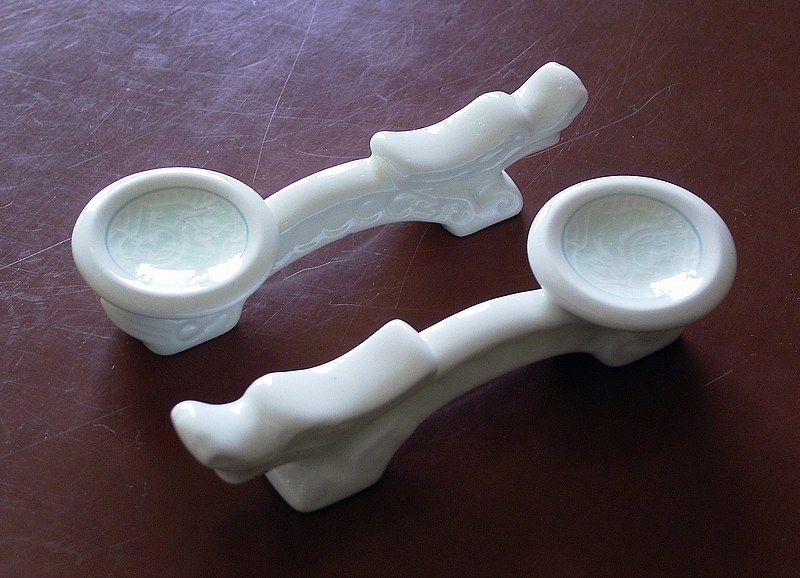
Chopsticks are tools, not tests. Chinese hosts rarely expect foreign guests to be perfect—but a few taboos read as careless, especially at formal tables. Learn the short list, relax your shoulders, and ask for a fork when you need one.
Pair with Chinese banquet seating etiquette for seating, and this batch’s hotpot guide for communal pots.
The big don’t: sticking chopsticks upright in rice
An upright pair in a bowl resembles incense offerings at a memorial. It is the classic mistake guides warn about. Rest chopsticks on a holder, across your bowl, or on the edge of a plate when pausing.
Pointing, drumming, and spearing
Avoid using chopsticks as pointers at people, as drumsticks on the table, or as spears that stab every dumpling out of frustration. Lift, support from below when needed, and take your time. Food will wait.
Serving chopsticks and double-dipping
Many tables provide serving chopsticks or spoons for shared plates—use them. If none exist, some families use the reverse ends of personal chopsticks for serving; follow the host. In hotpot settings, keep raw and cooked handling thoughtful.
Passing food
It can be caring to place a choice piece in a guest’s bowl; it can also surprise someone with allergies. If you have restrictions, say so early. Do not be offended by hospitality food landing in your bowl—decline gently if needed.
Asking for a fork politely
Say you are still learning and ask for a fork or spoon. Servers hear this often in tourist cities. Children especially should not be shamed into a struggle—essential apps for foreigners translation can help if language fails.
Teaching kids without pressure
Frame chopsticks as fun practice, not a moral exam. Soft foods first; sticky rice clumps later. Bring a pocket fork for meltdowns on long travel days.
Formal banquet cues
At banquets, wait for hosts to start, avoid digging through a platter for the “best” piece in a flashy way, and keep elbows from dominating the lazy Susan—more in Chinese banquet seating etiquette. Chopstick manners sit inside wider respect habits, including temple photo etiquette when you visit sacred sites.
Practice before the trip
If you want reps, practise at home with leftover vegetables. Competence reduces anxiety; anxiety drops more food than etiquette ever will.
Related Lovely China reading
For payments and wallets, start with Alipay and WeChat Pay hub and WeChat Pay vs Alipay for tourists. For trains and long-distance moves, keep high-speed rail first-timers guide and 12306 passport signup for foreigners handy. For city orientation, the Beijing first-visit guide, Shanghai first-visit guide, and Chengdu first-visit guide hubs remain useful even when your trip centres on another province. Connectivity backups live in roaming vs local SIM honest guide, SIM vs eSIM carriers compare, pocket Wi-Fi vs eSIM for China, and offline maps for foreigners. Bookmark China travel tools page so you can jump between logistics topics without searching from scratch on hotel Wi-Fi at midnight.
Practical checklist
- Confirm official rules on the relevant government, park, airline, or bank page near your travel week
- Screenshot bookings, tickets, and QR codes while you still have stable Wi-Fi
- Save hotel and attraction names in Chinese characters in your phone notes
- Carry passport, a backup payment method, and a small cash float (why cash is still needed)
- Test one small mobile payment before you rely on wallets at a gate or taxi
- Build time buffers for security lines, November weather, and bilingual navigation
- Prefer refundable holds until visas, trains, or park tickets are confirmed
- Keep the China travel tools page page bookmarked for related Lovely China hubs
How to verify information without panicking
English travel blogs lag policy changes. When something critical is at stake—entry permission, ticket validity, or whether a card works—use primary sources: embassy or VAC pages, National Immigration Administration notices, official park reservation platforms, airline apps, and the screens inside Chinese super-apps. Lovely China articles such as Alipay and WeChat Pay hub, high-speed rail first-timers guide, and essential apps for foreigners help you orient, but they are not substitutes for the live rule in front of you.
If two sources conflict, choose the stricter one until you can ask a human at the counter. That habit prevents most arguments that begin with “I read online that…” at gates.
FAQ
Will hosts be angry if I use a fork?
Usually no—polite requests are fine, especially for guests and children.
Why is upright chopsticks in rice sensitive?
It resembles memorial incense offerings to many people.
Are plastic chopsticks okay?
Yes when provided; etiquette is about use, not wood purity.
Do hotpot rules differ?
Shared pots add serving-tool habits—follow the table’s lead.
Notes for late 2026 travellers
Late October and November bring cooler mornings, earlier sunsets, and comfortable train weather across much of eastern and central China. Pack layers, keep phone batteries warm outdoors, and leave extra time whenever a clear weekend coincides with popular sightseeing.
This article does not invent ticket prices, opening hours, processing times, consular fees, or official statistics. When a number matters, verify it on the official site, consulate page, app screen, or ticket board near your travel week.
Write key Chinese addresses into your phone notes before you leave Wi-Fi. Screenshot tickets and booking codes. Carry a small cash float even if you prefer wallets—see why cash is still needed. Reconfirm last-mile transport the evening before early starts.
If an official rule page disagrees with this guide, follow the official page. Lovely China orients English-speaking travellers; we are not an immigration, banking, or medical authority. Keep the China travel tools page bookmarked for other logistics hubs.
Traveller mindset
Move slowly through paperwork moments. A calm queue is cheaper than a missed train or a refused visa file. When language fails, show passport pages, booking screens, and maps with Chinese labels. Hotel front desks and station information booths are used to helping foreigners through routine steps.
Keep expectations honest: China is highly digital, but edge cases remain. Your job is not to memorise every exception—it is to carry backups (second card, cash, offline maps, written addresses) so one failure does not end the day. For everyday apps, start with essential apps for foreigners.