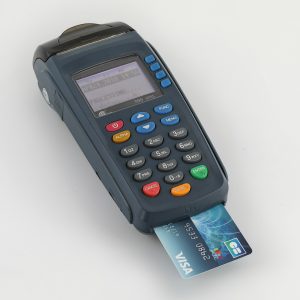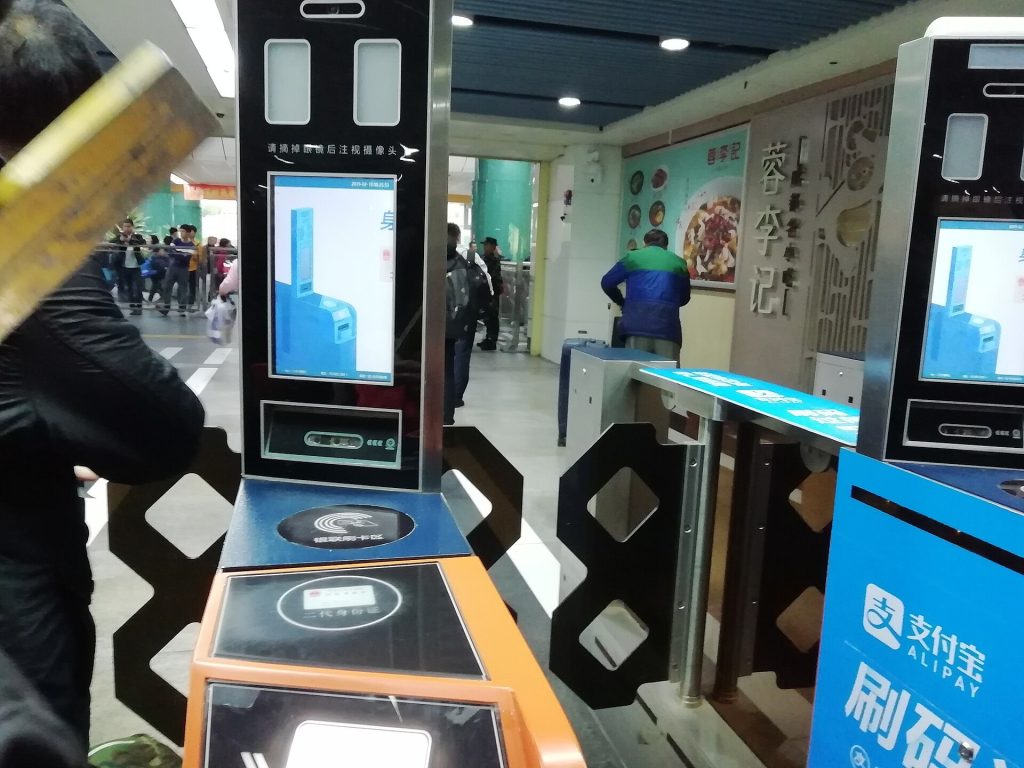
Alipay’s foreigner / tourist-friendly flows have improved, but they are not unlimited local accounts. Travellers hit quiet ceilings: card verification loops, merchant QR quirks, cash-out impossibilities, and “try WeChat instead” moments. This article maps the limits you should plan for in 2026 so dinner does not become a negotiation seminar.
Start with Alipay setup for foreigners, Alipay and WeChat Pay hub, and WeChat Pay vs Alipay for tourists; keep why cash is still needed and paying without a Chinese phone number as backups.
What “tourist mode” means in practice
Product names inside the app change. Functionally you care about:
- Binding an eligible foreign bank card
- Paying merchants by scanning their QR or showing yours
- Understanding that peer-to-peer, credit products, and some in-app services may be missing or capped
- Accepting that verification may ask for passport details and a workable phone number situation
If setup stalls, read paying without a Chinese phone number before you stand in a dumpling queue arguing with a cashier.
Limits travellers actually feel
Honest patterns (verify live in-app notices—do not treat these as fixed legal caps):
- Card declines — issuer fraud blocks on first China transactions; warn your bank
- Merchant mix — most urban restaurants take Alipay; tiny wet-market stalls may prefer WeChat or cash
- Feature gaps — some mini-programs, utilities, or deposit-heavy services expect deeper KYC
- Refund friction — refunds to foreign cards can take longer than domestic wallet refunds
- Network dependence — offline countryside stretches need a plan (roaming vs local SIM honest guide, pocket Wi-Fi vs eSIM for China)
Daily rhythm that works
1. Bind and test a tiny payment at the airport convenience store
2. Screenshot success screens
3. Keep a second wallet path (WeChat Pay foreign card guide) and a small RMB float (ATM foreign cards cash guide, why cash is still needed)
4. Prefer merchants with clear printed QR codes over verbal “friend transfer” requests
When Alipay is the wrong tool
Group tours that collect cash, temples selling incense with exact-change boxes, and rural bus conductors may ignore wallets entirely. Tap-to-pay with foreign cards appears in more international hotels and chains (foreign card tap-to-pay in stores) but is not universal. Budget emotional energy for mixed acceptance.
Troubleshooting without panic
- Toggle airplane mode, reconnect, retry once
- Try the other wallet
- Ask if the cashier can show a static merchant QR
- Pay cash for that bill and fix the app later on hotel Wi-Fi (airport free Wi-Fi login habits help at first landing)
Never hand your unlocked phone to a stranger “to help finish verification.”
November note
Autumn tourist densities in Beijing/Shanghai/Hangzhou mean slower cashiers and less patience for failed NFC theatre. Have the QR ready before the bill lands.
Related Lovely China reading
For payments and wallets, start with Alipay and WeChat Pay hub and WeChat Pay vs Alipay for tourists. For trains and long-distance moves, keep high-speed rail first-timers guide and 12306 passport signup for foreigners handy. For city orientation, the Beijing first-visit guide, Shanghai first-visit guide, and Chengdu first-visit guide hubs remain useful even when your trip centres on another province. Connectivity backups live in roaming vs local SIM honest guide, SIM vs eSIM carriers compare, pocket Wi-Fi vs eSIM for China, and offline maps for foreigners. Bookmark China travel tools page so you can jump between logistics topics without searching from scratch on hotel Wi-Fi at midnight.
Practical checklist
- Confirm official rules on the relevant government, park, airline, or bank page near your travel week
- Screenshot bookings, tickets, and QR codes while you still have stable Wi-Fi
- Save hotel and attraction names in Chinese characters in your phone notes
- Carry passport, a backup payment method, and a small cash float (why cash is still needed)
- Test one small mobile payment before you rely on wallets at a gate or taxi
- Build time buffers for security lines, November weather, and bilingual navigation
- Prefer refundable holds until visas, trains, or park tickets are confirmed
- Keep the China travel tools page page bookmarked for related Lovely China hubs
How to verify information without panicking
English travel blogs lag policy changes. When something critical is at stake—entry permission, ticket validity, or whether a card works—use primary sources: embassy or VAC pages, National Immigration Administration notices, official park reservation platforms, airline apps, and the screens inside Chinese super-apps. Lovely China articles such as Alipay and WeChat Pay hub, high-speed rail first-timers guide, and essential apps for foreigners help you orient, but they are not substitutes for the live rule in front of you.
If two sources conflict, choose the stricter one until you can ask a human at the counter. That habit prevents most arguments that begin with “I read online that…” at gates.
FAQ
Can I receive money from Chinese friends easily in tourist mode?
Peer features may be limited versus local accounts. Prefer merchant QR payments and avoid relying on person-to-person receipt.
Is Alipay alone enough for a two-week trip?
Often mostly—but not always. Carry WeChat Pay setup and cash backups.
Do I need a Chinese phone number?
Flows vary; some travellers succeed with foreign numbers, others hit walls—see the paying-without-Chinese-number guide.
What if my foreign card binds but in-store pay fails?
Issuer blocks and network timeouts are common. Try a second card, WeChat, or cash; retry after contacting your bank.
Notes for late 2026 travellers
Late October and November bring cooler mornings, earlier sunsets, and comfortable train weather across much of eastern and central China. Pack layers, keep phone batteries warm outdoors, and leave extra time whenever a clear weekend coincides with popular sightseeing.
This article does not invent ticket prices, opening hours, processing times, consular fees, or official statistics. When a number matters, verify it on the official site, consulate page, app screen, or ticket board near your travel week.
Write key Chinese addresses into your phone notes before you leave Wi-Fi. Screenshot tickets and booking codes. Carry a small cash float even if you prefer wallets—see why cash is still needed. Reconfirm last-mile transport the evening before early starts.
If an official rule page disagrees with this guide, follow the official page. Lovely China orients English-speaking travellers; we are not an immigration, banking, or medical authority. Keep the China travel tools page bookmarked for other logistics hubs.
Traveller mindset
Move slowly through paperwork moments. A calm queue is cheaper than a missed train or a refused visa file. When language fails, show passport pages, booking screens, and maps with Chinese labels. Hotel front desks and station information booths are used to helping foreigners through routine steps.
Keep expectations honest: China is highly digital, but edge cases remain. Your job is not to memorise every exception—it is to carry backups (second card, cash, offline maps, written addresses) so one failure does not end the day. For everyday apps, start with essential apps for foreigners.