Navigating a bustling metro system in China can be an exhilarating experience, especially as networks expand and modernize ahead of the winter travel season in late 2026. Whether you are settling into life as an expat or visiting for a holiday, mastering local etiquette goes a long way toward smoothing your daily commute. While general queuing habits at platforms matter, behavior inside the train carriage—particularly regarding priority seats—carries its own set of unwritten social expectations and visual cues. Understanding these norms helps you avoid awkward misunderstandings and ensures a pleasant ride for everyone on board.
Recognizing Priority Seats and Signage
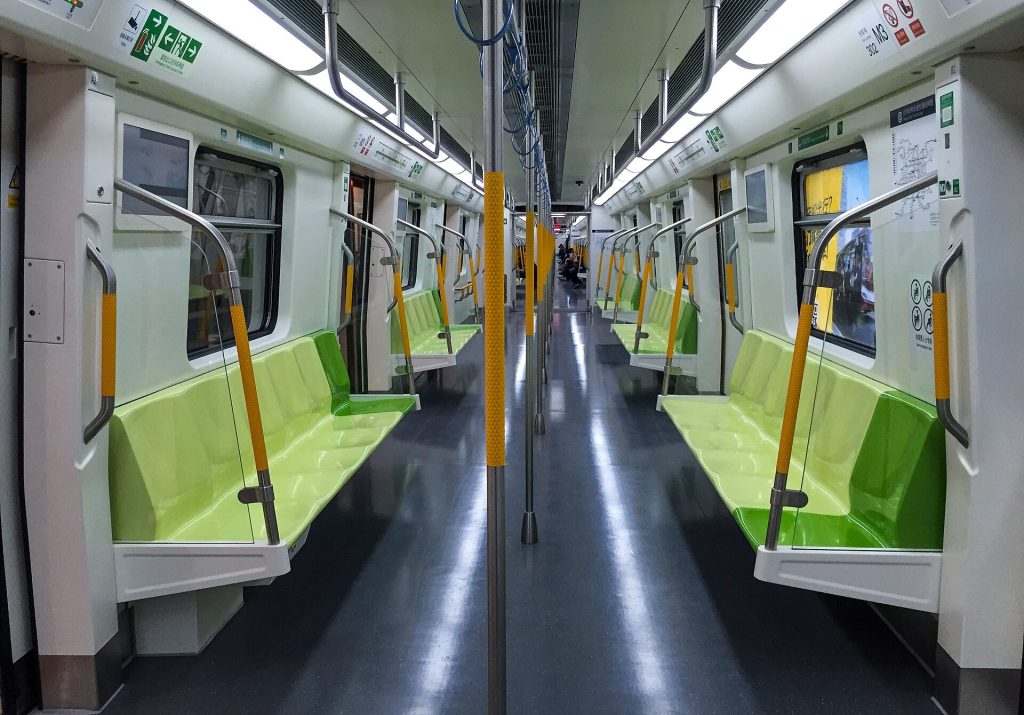
Priority seats on China subways are designated for passengers who need them most, but the exact color coding, terminology, and visual style vary significantly from city to city. For instance, if you are reading up on Beijing subway first-timers, you might notice bright red or orange upholstery marking these spots near the carriage doors. Meanwhile, networks in southern hubs may feature distinct blue or green iconography with labels like “爱心专座” (Loving Heart Priority Seats).
The primary beneficiaries of these seats remain consistent across nearly every major Chinese urban rail system:
The elderly: Seniors are treated with deep respect in public spaces, and offering your seat to an older passenger is standard practice.
Pregnant women: Expectant mothers are top priority, and signage frequently highlights maternity needs.
Passengers with infants or young children: Travelers carrying toddlers or managing strollers often require stability during sudden train movements.
The injured, ill, or mobility-impaired: Anyone using crutches, wearing a visible cast, or recovering from surgery.
Because signage styles differ—much like how navigation apps vary when you research Shanghai Metro first-timers—always scan the wall above the seats or the floor stickers nearby for universal pictograms representing these groups.
When and How to Offer Your Seat
Deciding when to stand up depends heavily on observation. During off-peak hours, a priority seat might remain empty, and sitting in it temporarily is completely acceptable. However, the moment a passenger matching the priority criteria steps onto a crowded carriage, social expectations shift rapidly.
If an elderly person or an expectant mother boards and stands nearby, the polite approach is to stand up immediately, offer a gentle nod, and gesture toward the seat. You do not need to deliver a long speech; a simple, friendly smile is universally understood. If there is a language barrier, pointing to the empty seat while offering a polite bow of the head communicates your respectful intent instantly.
Keep in mind that some passengers might initially wave their hands and politely decline out of modesty or a desire not to inconvenience others. If they look genuinely tired, frail, or heavily burdened, a reassuring second gesture or simply stepping away from the seat lets them know you genuinely want them to sit. For more guidance on digital ticketing and getting through turnstiles smoothly before you board, you can review tourist metro cards vs mobile pay.
Carriage Etiquette: Bags, Phones, and Peak Hours
Subway cars in major Chinese cities experience intense passenger volume during morning and evening rush hours. Managing your personal space properly prevents friction with fellow riders:
Bags on seats: Never place backpacks, shopping bags, or luggage on a subway seat—especially a priority seat—while other passengers are standing. Even during quieter mid-day hours, keeping seats clear is a basic courtesy.
Phone and audio manners: Watching short videos or listening to music without headphones is discouraged. Keep your device volume muted or low so you do not disturb elderly passengers or resting commuters nearby.
Standing norms: If you are standing during peak hours, tuck your elbows in, hold securely onto overhead straps or vertical poles, and avoid blocking doorways when approaching your stop. If you are seated in a regular seat during peak hours, it is also completely fine to remain seated unless someone with greater need enters your immediate vicinity.
FAQ
Are foreign tourists expected to know these priority seat rules?
Yes, local passengers generally hold both locals and international visitors to the same basic standards of public courtesy. While people are usually very forgiving of minor cultural misunderstandings, standing up for an elderly or pregnant passenger demonstrates cultural awareness and earns immediate goodwill.
Can I sit in a priority seat if the train is completely empty?
Yes. During low-traffic hours when plenty of regular and priority seats are open, sitting in a priority seat is entirely normal. The key rule is simply to remain vigilant and ready to vacate the seat immediately if a passenger who genuinely needs it boards the train.
What should I do if someone gestures for me to take a priority seat?
Sometimes, out of exceptional hospitality or cultural deference, an older local might insist that a younger traveler or visitor sit down. If you are feeling fit and well, it is perfectly fine to politely decline with a grateful smile and a hand gesture indicating you prefer to stand.
Related Lovely China reading
For payments, start with Alipay and WeChat Pay hub and WeChat Pay vs Alipay for tourists. For trains, keep high-speed rail first-timers guide and 12306 passport signup for foreigners handy. City hubs: Beijing first-visit guide, Shanghai first-visit guide. Connectivity: roaming vs local SIM honest guide, pocket Wi-Fi vs eSIM for China, offline maps for foreigners. Bookmark China travel tools page.
Practical checklist
- Confirm official rules on the relevant government, park, airline, or bank page near your travel week
- Screenshot bookings, tickets, and QR codes while you still have stable Wi-Fi
- Save hotel and attraction names in Chinese characters in your phone notes
- Carry passport, a backup payment method, and a small cash float (why cash is still needed)
- Test one small mobile payment before you rely on wallets at a gate or taxi
- Keep the China travel tools page page bookmarked for related Lovely China hubs
FAQ
Is this culture advice official?
No. Lovely China orients travellers. Verify live rules on official pages, apps, and counters near your travel week.
Will every city behave the same?
No. Airports, stations, parks, and markets differ. Use local signage and staff instructions when they conflict with a general guide.
What should I screenshot before I lose Wi-Fi?
Bookings, tickets, hotel Chinese address, pickup pins, and payment success screens.
Notes for late 2026 travellers
November and early December bring cooler mornings, earlier sunsets, and comfortable walking weather across much of eastern and central China. Pack layers and leave extra time on clear weekends at popular sights.
This article does not invent ticket prices, opening hours, processing times, consular fees, or official statistics. When a number matters, verify it on the official site, app screen, or ticket board near your travel week.
If an official rule page disagrees with this guide, follow the official page. Lovely China orients English-speaking travellers; we are not an immigration, banking, or medical authority.