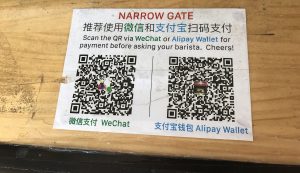
Your phone shows no bars in a basement hotpot shop—and the only way to pay is a QR code. This guide is about payment resilience when mobile data dies: offline habits, screenshots, cash, and hunting Wi-Fi. It is distinct from Alipay/WeChat setup hubs (Alipay setup for foreigners, WeChat Pay foreign card guide, Alipay and WeChat Pay hub).
Critical: no VPN, no illegal network bypass tricks, no firewall bypass steps.
Screenshot while you still have signal
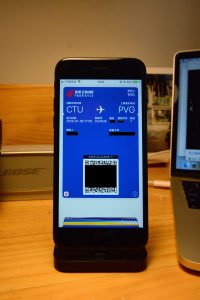
Before you descend into metro tunnels or crowded malls, screenshot payment QR codes, ride-hail pickup notes, hotel Chinese addresses, and ticket barcodes. Some wallet codes refresh; others linger briefly—do not invent guaranteed offline modes. Refresh on Wi-Fi when you can.
Cash float is still a plan A
A modest envelope of RMB notes solves noodle shops, some taxis, and market stalls when wallets spin (why cash is still needed, ATM foreign cards cash guide, taxi cash vs QR for foreigners). Test one ATM early in the trip so you are not discovering card rejection at dinner.
Wi-Fi hunt without grey tools
Metro stations, malls, hotels, and cafés often publish free Wi-Fi login paths—see airport free Wi-Fi login for airport patterns that teach the same patience. Ask the cashier for the shop Wi-Fi name. Use hotel Wi-Fi to top up wallet sessions before a long subway ride.
Merchant-scan versus your static code
If your data is dead but the merchant’s scanner works, showing a payment code that was freshly loaded on Wi-Fi can still succeed sometimes. If not, switch to cash immediately rather than blocking the queue. Soft courtesy: step aside while you troubleshoot.
What not to do
Do not follow strangers’ “free proxy” links, do not install random APKs for “signal boost,” and do not attempt illegal network workarounds. Connectivity honesty hubs exist elsewhere; this article stays on paying for lunch.
November underground note
Cooler weather pushes more people indoors and underground. Battery drain rises with cold and constant map retries—carry a power bank (power bank airport security rules mindset) and keep offline maps for foreigners offline packs ready via Apple Maps vs Amap in China.
Metro and mall dead zones
Underground transfers and deep food courts are classic data graves. Load ride codes and payment codes at street level. If a gate needs a live refresh, step aside, hunt Wi-Fi, or use a staffed ticket window with cash/card per local rules (tourist metro cards vs mobile pay).
Talking to cashiers without Mandarin
Show the spinning error, then show cash. Point to the UnionPay mark if your physical card might work (UnionPay QR with foreign cards, foreign card tap-to-pay in stores). A calm smile moves lines faster than loud English troubleshooting.
<!–padded–>
Extra field notes for late 2026
Cross-check live official pages the week you travel. Keep passport, why cash is still needed, and one working wallet path (Alipay and WeChat Pay hub). Screenshot Chinese addresses and booking codes. November light fades earlier—start iconic outdoor plans sooner, and leave buffers for metro security trays.
<!–padded2–>
Pre-trip habits that save dinner
Install wallets before you fly (must-download apps before landing), complete a tiny test payment on day one, and keep a second card for ATMs (ATM foreign-card daily limits and fees). Dead data is survivable when Plan B already lives in your pocket.
Related Lovely China reading
For payments, start with Alipay and WeChat Pay hub and WeChat Pay vs Alipay for tourists. For trains, keep high-speed rail first-timers guide and 12306 passport signup for foreigners handy. City hubs: Beijing first-visit guide, Shanghai first-visit guide. Connectivity: roaming vs local SIM honest guide, pocket Wi-Fi vs eSIM for China, offline maps for foreigners. Bookmark China travel tools page.
Practical checklist
- Confirm official rules on the relevant government, park, airline, or bank page near your travel week
- Screenshot bookings, tickets, and QR codes while you still have stable Wi-Fi
- Save hotel and attraction names in Chinese characters in your phone notes
- Carry passport, a backup payment method, and a small cash float (why cash is still needed)
- Test one small mobile payment before you rely on wallets at a gate or taxi
- Keep the China travel tools page page bookmarked for related Lovely China hubs
FAQ
Do Alipay and WeChat Pay always work offline?
Do not assume permanent offline mode. Screenshot codes early and keep cash; refresh on Wi-Fi when possible.
Is hunting café Wi-Fi enough?
Often yes for a quick wallet refresh—ask staff for the network name and avoid shady ‘free proxy’ offers.
Should I carry cash even if wallets usually work?
Yes—a small float prevents dead-data dinner emergencies.
Will this guide teach VPN or firewall bypass?
No. Payment backups only—no illegal network steps.
Notes for late 2026 travellers
November and early December bring cooler mornings, earlier sunsets, and comfortable walking weather across much of eastern and central China. Pack layers and leave extra time on clear weekends at popular sights.
This article does not invent ticket prices, opening hours, processing times, consular fees, or official statistics. When a number matters, verify it on the official site, app screen, or ticket board near your travel week.
If an official rule page disagrees with this guide, follow the official page. Lovely China orients English-speaking travellers; we are not an immigration, banking, or medical authority.