The taxi driver in Chengdu tapped the dashboard twice before pulling into traffic. A red tassel dangled from the rearview mirror, a small bronze Pi Xiu — the mythical creature that gobbles wealth and never excretes — sat glued to the center console, and a tiny bagua mirror faced outward above the windshield. He noticed me staring. “Block the sha qi from the hospital across the street,” he said, nodding toward a glass tower. “Otherwise the sick energy rides home with the passengers.” I had read the theory. Sitting in that cab, smelling the leather and the faint scent of sandalwood from the charm, I felt the difference between a textbook definition and a daily habit.
How the compass reads the land
Walk through any old village in the Yangtze delta and you will see houses turned slightly off the cardinal grid. The front door faces a gentle slope; the back wall leans against a hill. That is the “armchair” formation — Black Tortoise at the rear, Green Dragon on the left, White Tiger on the right, Red Phoenix opening to the front. The goal is to catch the sheng qi, the nourishing breath, while letting the killing breath, sha qi, slide past. In the city the same logic hides inside high‑rise lobbies. A curved reception desk deflects the straight rush of qi from the elevator bank. A fish tank near the entrance holds moving water, which activates wealth sectors in the flying‑star chart for the current period. You do not need a luopan compass to spot the pattern. Look for the missing corner in a floor plan, the stairwell that aligns with the main door, the mirror that reflects the bed. Each is a correction someone paid for.
What a consultant actually does
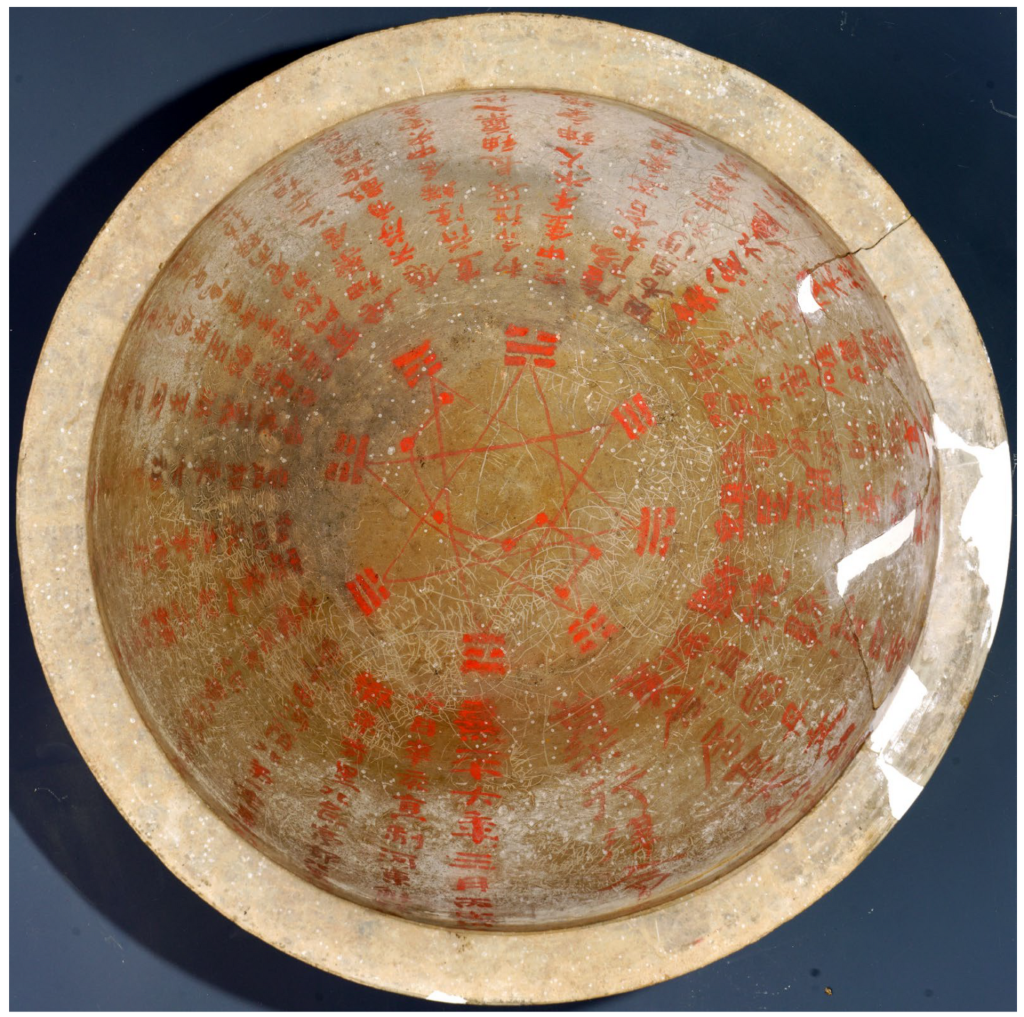
I watched a feng shui master work a new apartment in Xi’an. He arrived with a brass compass the size of a dinner plate, a rolled‑up floor plan, and a notebook of hand‑drawn flying‑star grids. First he stood at the building entrance and took the facing direction — 247.5 degrees, southwest‑3. Then he measured the main door, the bedroom doors, the stove, the toilet. He marked the annual Five Yellow star in the southeast and the Three Killings in the north. His prescription: a six‑rod metal wind chime in the southeast to drain the earth energy, a salt‑water cure in the north, the stove moved one burner width to avoid the “fire gate” line. The homeowner nodded, took photos of the notes, and called a renovation crew that afternoon. No incense, no chanting. Just geometry, timing, and a client who trusted the math.
Everyday objects that carry the logic
- Bagua mirror — convex to push energy away, concave to pull it in. Mounted outside, never inside.
- Pi Xiu figurine — placed on a desk or cash register, head facing the door, never touching the floor.
- Five‑emperor coins — strung on red thread, taped under the threshold or inside a wallet.
- Crystal sphere — hung in a window to scatter sharp corners from neighboring buildings.
- Water feature — tabletop fountain with a quiet pump; water must flow toward the center of the room, never out the door.
These items show up in convenience stores beside phone chargers. Locals buy them the way foreigners buy batteries — practical, disposable, part of the maintenance of a space.
Seasonal rhythms and the moving stars
The flying‑star chart rotates each lunar new year. In the Year of the Dragon the Five Yellow sits in the west; in the Year of the Snake it shifts to the northeast. During the spring festival families will rearrange furniture, hang fresh red couplets, and place a bowl of oranges in the newly auspicious sector. I once helped a friend move a heavy sofa at midnight on New Year’s Eve because the annual Grand Duke (Tai Sui) had settled in the northwest and we could not afford to disturb him. The effort felt absurd until the landlord called the next week offering a rent reduction — coincidence, maybe, but the timing stuck in memory.
What visitors get wrong
- Buying a bagua mirror as a souvenir and hanging it above the bed. It belongs on the exterior wall facing the threat.
- Placing a water fountain in the bedroom. Water activates movement; the bedroom needs stillness.
- Assuming every Chinese person follows the same rules. A Cantonese factory owner may rely on the “door‑to‑stove” alignment, while a Beijing professor checks the annual flying stars. Regional schools differ.
- Asking a hotel concierge for a “feng shui room.” They will upgrade you to a suite with a view. The real adjustment is invisible — desk position, headboard direction, the absence of a beam over the pillow.
- Treating it as decoration. The red envelope taped to the bottom of a chair leg is not art. It is a seal against the monthly conflict star.
If you stay long enough, you start noticing the details: the security guard who taps the doorframe before his shift, the shopkeeper who rotates the cash‑register angle after the winter solstice, the colleague who refuses to sit with her back to the window. They are not performing ritual. They are tuning the space the way a mechanic tunes an engine. You do not have to believe in qi to respect the care. When I moved into my own apartment, I hired a master for a two‑hour walk‑through. He moved my desk fifteen centimeters, told me to sleep with my head toward the east, and handed me a red string for the front doorknob. The rent did not drop. The traffic noise did not vanish. But the room felt quieter, the kind of quiet that lets you finish a thought. That, in the end, is what the practice promises — not magic, just a better fit between body and place.