September on a Chinese campus is not a gentle on-ramp. It is a stacked month: new term energy, Teachers’ Day on Thursday 10 September 2026, the cool turn of White Dew around 7 September, Mid-Autumn leave centered on Friday 25 September, and the long shadow of National Day Golden Week in early October. If you teach in China, your job is not only to mark festivals on a wall calendar. It is to keep classes coherent while the building’s social temperature keeps changing.
This is a staff-eye guide for foreign teachers—public schools, private language centers, international programs, and universities all vary, so treat every schedule note as something to confirm with your employer. For the cultural background of Teachers’ Day itself, read our dedicated piece, Teachers’ Day in China on 10 September 2026, and come back here for how to live the month without burning out or stepping on toes.
Map the month before it maps you
Put four anchors in your phone:
- 7 September (Mon) — Bailu / White Dew: cooler mornings, not a day off
- 10 September (Thu) — Teachers’ Day: commemorative; usually a workday with ceremonies or small gestures
- 25–27 September — Mid-Autumn holiday window on the mainland civil calendar (confirm the official notice and your school’s version)
- 1–7 October — Golden Week territory, with make-up workdays elsewhere on the national schedule
Schools often publish their own academic calendars that diverge from office-worker holiday charts. Training centers may run makeup classes. Universities may keep labs open. Ask academic affairs, your line manager, or HR in writing: Which days are we closed? Which Sundays or Saturdays become workdays for us? When are grades or progress reports due around the holidays?
For travel logic across the two autumn breaks, use Golden Week 2026 vs Mid-Autumn before you buy tickets. Mid-Autumn is shorter; Golden Week is heavier. Many foreign teachers try to do both and arrive at October exhausted.
Teachers’ Day as a staff member, not a tourist
Teachers’ Day is about respect for the profession. It is not a national public holiday. You will likely still teach. What changes is the emotional weather: speeches, student performances, flowers, WeChat messages, and—depending on school culture—cards or small handmade gifts.
Your role is to receive graciously without turning the day into a shopping festival. Smile, thank students, photograph only if policy and privacy allow, and do not solicit presents. In recent years, education authorities have repeatedly stressed clean festival practices; follow your school’s rules even if a parent insists. A polite refusal script helps: “Your message is enough—thank you, please don’t buy anything.”
If colleagues invite you to a staff lunch or evening gathering, go if you can. Belonging on campus is built in these side hours. Keep alcohol cautious. Keep jokes about “teachers getting rich off gifts” out of your mouth entirely.
For deeper context on the day’s meaning and classroom customs, lean on the Teachers’ Day culture post rather than improvising a lecture for students unless your curriculum asks for it.
Bailu weather and classroom logistics
White Dew on 7 September is a solar term, not a break. Practically, it means the air conditioner debate begins. Morning duty in an unheated corridor can feel sharp after a humid August. Students show up in mismatched layers. You may want a cardigan in the teachers’ office and lighter clothes by period four.
Use the seasonal turn as low-stakes lesson color if it fits—weather vocabulary, journal prompts, a short listening about autumn—without forcing a folklore unit you do not know well. Keep windows and voices in mind: after summer, some rooms stay sealed; hydration and short movement breaks still help concentration.
Mid-Autumn while on contract
Leave, makeup, and communication
When the Mid-Autumn holiday hits (25–27 September 2026 on the civil calendar), families travel or gather. Your WeChat will fill with mooncake photos. Before you disappear:
- Publish or confirm homework deadlines that do not dump everything on the night of the 24th
- Tell students and parents, through approved channels, how to reach the school during the break
- Clarify whether online makeup or in-person supplemental sessions exist afterward
- Do not assume your center closes the same days as the local government office
If you hope to leave the city, book early and be honest with managers about return times. A missed first class after a festival destroys trust faster than a mediocre lesson.
Gifts and invitations
You may receive mooncakes from colleagues or management. Thank them; share extras in the office rather than letting tins expire in your flat. If you give anything, keep it modest and policy-safe—tea for an office share table is often wiser than individual luxury boxes. For the wider etiquette of festival presents, the culture desk’s gift guide is the right rabbit hole; your workplace handbook still wins in a conflict.
Invited to a Chinese colleague’s family dinner? Treat it as a privilege. Bring a simple host gift, arrive on time, and read Mid-Autumn dinner guest etiquette so you are not learning chopsticks diplomacy in real time. If you are not invited anywhere, that is also normal in a busy month—plan your own evening without self-pity spirals.
Classroom tie-ins that do not flop
A short Mid-Autumn segment works when it is concrete: mooncake tasting vocabulary, a compare/contrast with a harvest holiday students know, or a listening about the full moon. Avoid inventing “ancient quotes,” assigning expensive craft kits, or asking students to buy gifts for you. Keep it light, inclusive of different family situations, and optional where emotions run high for kids who miss parents working away from home.
Money, apps, and errands between bells
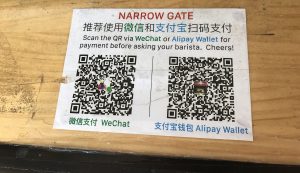
September errands cluster: SIM issues, apartment fixes, visa paperwork appointments, pharmacy runs for seasonal colds. Keep Alipay and WeChat Pay setup working before festival weeks, when queues lengthen and customer-service desks keep shorter patience. If you travel between cities for either autumn break, sort train bookings early through official channels rather than last-minute hope.
Parents, WeChat groups, and boundaries
September also means parent energy—messages about schedules, holiday homework, and Teachers’ Day thanks. Stick to official school groups and approved channels. Do not share your personal phone number widely unless policy expects it. When festival greetings arrive in Chinese, a short reply is enough; you do not need poetic couplets unless you enjoy them.
If a parent tries to hand you an expensive gift despite school rules, involve your coordinator rather than improvising diplomacy alone. Clean boundaries protect you and the school. Warmth and firmness can share a sentence: thank them for the thought, decline the item, and point to policy without shaming anyone in front of a child.
Protecting your energy as the term finds its pace
Foreign teachers often overperform in September—demo lessons, welcome weeks, festival assemblies, then travel. Pick two social yeses and allow some nos. Sleep. Grade in batches. Keep one evening a week offline.
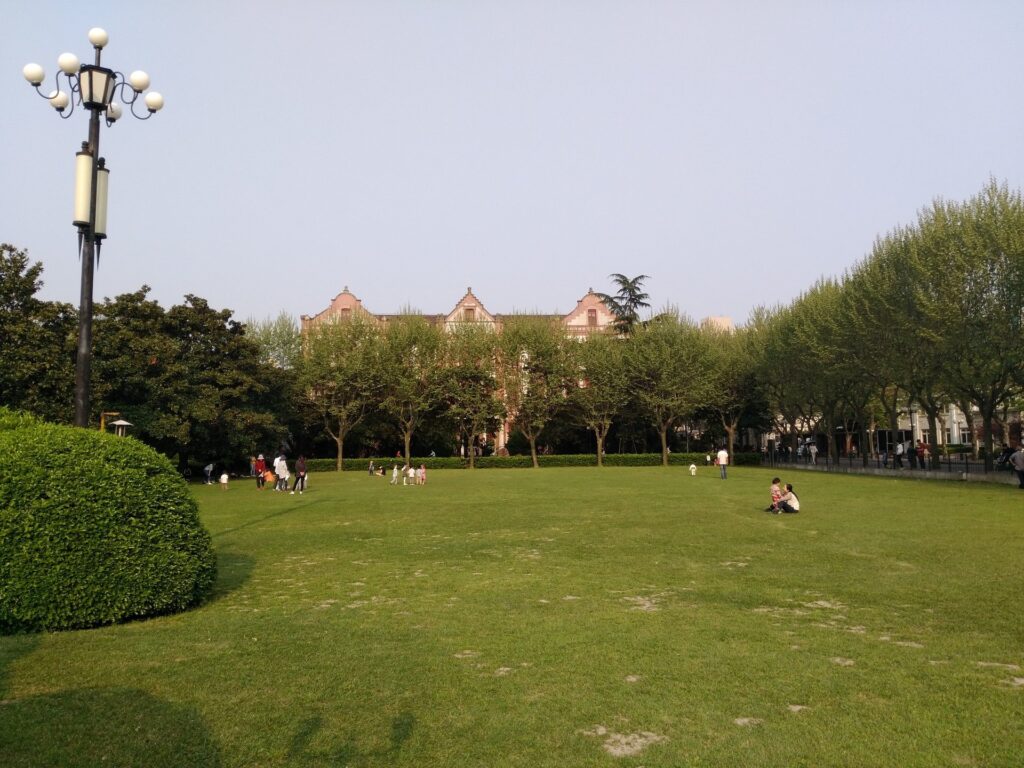
Watch for the trap of stacking Mid-Autumn travel and Golden Week travel with only a few teaching days between them. Sometimes the wiser move is a local Mid-Autumn (park, bakery, video call home) and a single longer Golden Week trip—or the reverse—based on your contract’s attendance rules.
A staff checklist for September 2026
- Confirm your school’s September–October holiday grid in writing.
- Read the Teachers’ Day culture primer; plan gracious, low-drama receiving.
- Pack a layer for Bailu mornings.
- Set homework and feedback deadlines that respect 25–27 September.
- Decide Mid-Autumn social plans early: colleague dinner, quiet city night, or short trip.
- Preview Golden Week traffic before you promise friends a double-header travel month.
- Keep gift behavior compliant and proportionate.
September in Chinese schools is a festival month wrapped around real work. You are not failing if you find it intense. You are doing the job: showing up for students, respecting colleagues’ holidays, and learning the calendar the way locals do—by surviving it once, then navigating it with less surprise the next year.