The minibus shudders to a halt on a hairpin bend above the Jialing River. Through the open door comes the smell of pine resin and diesel, mixed with the sharp tang of fermented bean paste from a roadside kitchen. A vendor leans against a stack of plastic crates, fanning a charcoal brazier where skewers of tofu skin blister and blacken. This is the northern gate of Sichuan — Guangyuan — where the mountains pinch the province tight against Shaanxi and every traveler heading west has passed for two thousand years.
Getting Oriented in the Valley
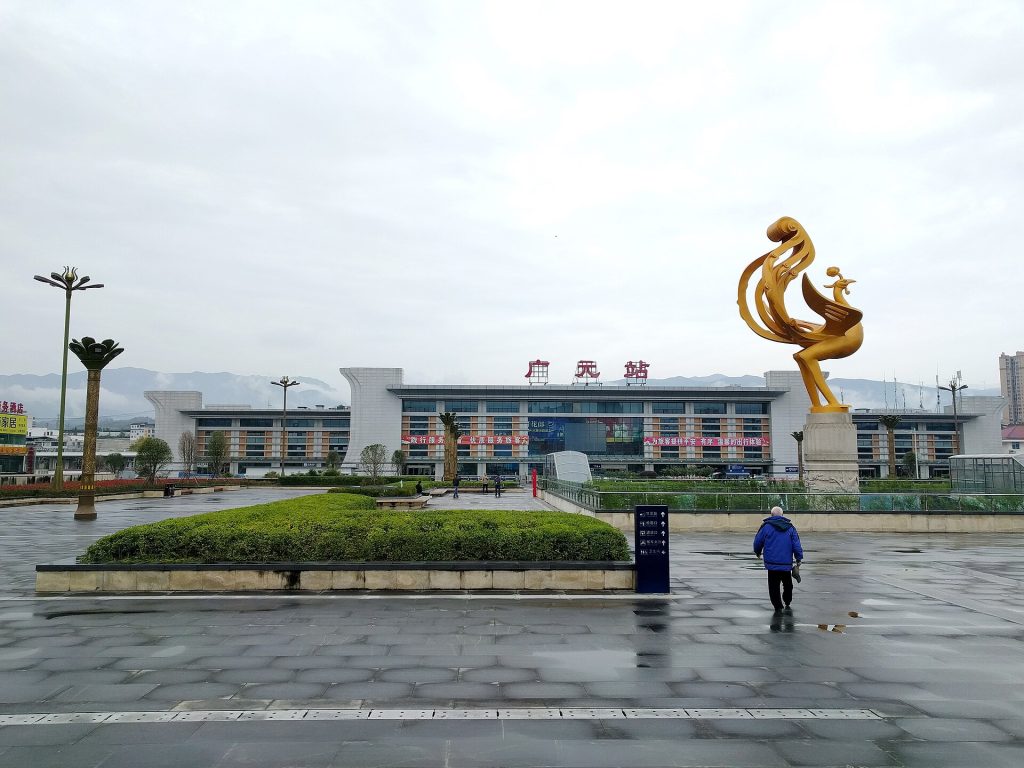
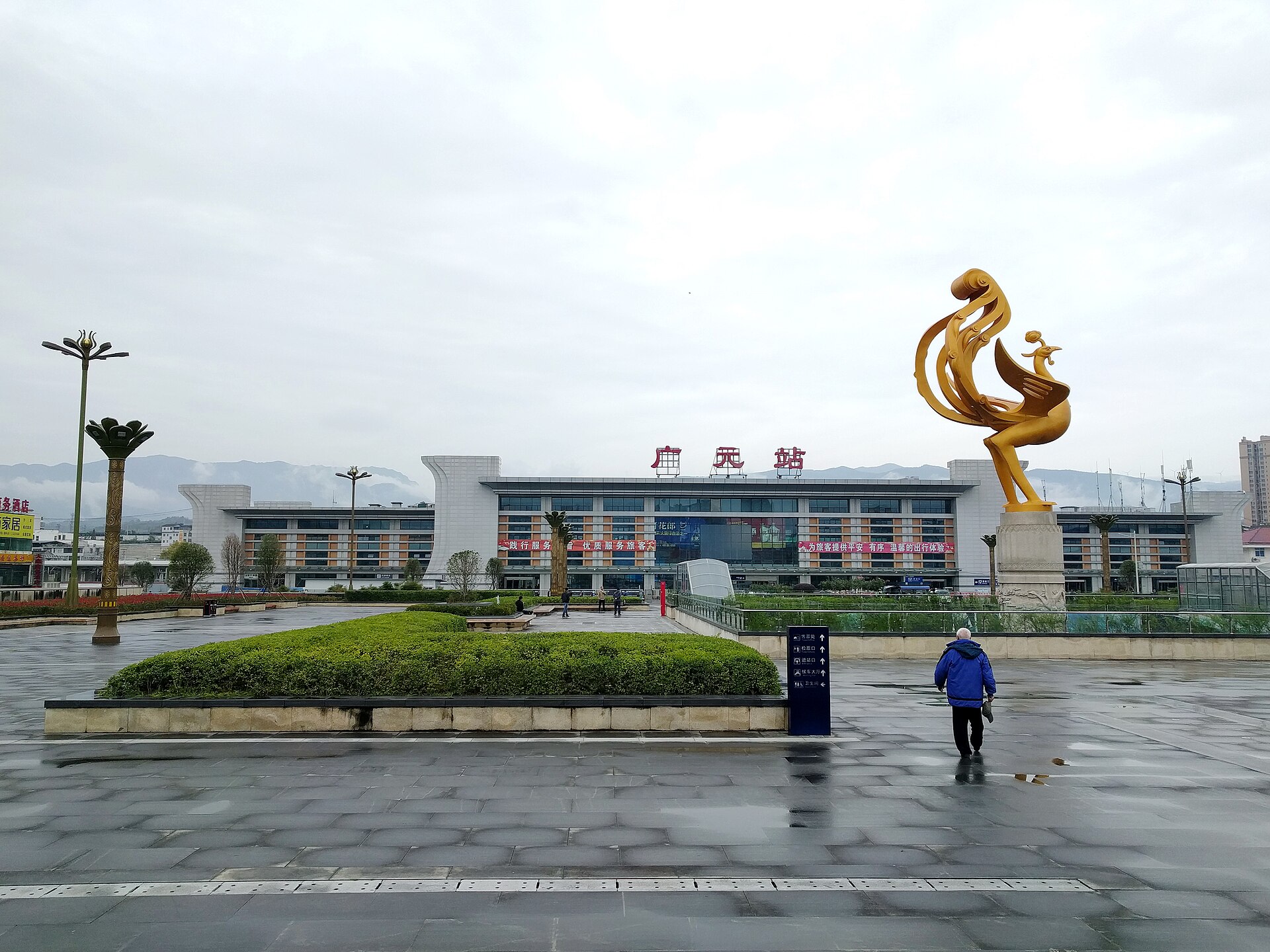
The city sits in a long, north‑south trough carved by the Jialing. The main railway station and the newer high‑speed station anchor the southern end; the old town clusters around the river’s east bank near the ancient Zhaohua district. Buses to the scenic areas leave from the square in front of the conventional station. Taxis are plentiful, but drivers rarely speak English — have the Chinese name of your destination written on your phone. If you arrive on the high‑speed line, a local bus or a shared ride gets you to the center in twenty minutes.
Walking the Shu Road at Jianmen Pass
The most famous stretch of the old Shu Road threads through Jianmen Pass, where limestone cliffs rise like gateposts on either side of a mist‑cloaked gorge. Stone steps, worn smooth by centuries of porters’ boots, climb past calligraphy carved into the rock face — poems left by officials exiled to the frontier. In early autumn the maples turn the gorge walls crimson; in the rainy season waterfalls ribbon the cliffs. Allow half a day. Wear shoes with grip; the polished stone turns treacherous when wet. A cable car runs from the visitor center to the summit pavilion, but the real atmosphere is on the stairs.
Tracing Wu Zetian’s Roots at Huangze Temple
On the west bank, tucked against a wooded slope, Huangze Temple marks the birthplace of China’s only female emperor. The complex is modest compared to Chengdu’s grand monasteries — a series of courtyards stepping up the hill, each framed by cypress trees. Inside the main hall a Tang‑dynasty statue of Wu Zetian sits flanked by attendants; her expression is calm, almost weary. Pilgrims light incense and leave small jade plaques inscribed with wishes for career advancement. Visit on a weekday morning when the chanting of resident nuns echoes off the tiled roofs. The temple stays open until dusk; no ticket is required, though a donation box sits by the entrance.
Exploring the Ancient Town of Zhaohua
Thirty kilometers south, Zhaohua preserves a Ming‑Qing street grid that survived the Cultural Revolution because it was too remote to bother with. Gray‑brick lanes wind past courtyard houses with carved wooden lintels. The former county yamen (magistrate’s office) still holds the wooden bench where defendants knelt. A narrow alley opens onto a riverside wharf where ferrymen once loaded salt bound for Chang’an. Today, a few families run guesthouses in restored homes — sleep on a kang heated by a wood stove, wake to the sound of roosters and the river. Eat breakfast at a stall selling steamed buns stuffed with pickled mustard greens and minced pork; the dough is fermented overnight, giving it a faint sour lift.
Eating Like a Local: Cold Noodles, Stewed Chicken, and Bean Curd
Guangyuan food leans salty, spicy, and sour — flavors that cut through mountain damp. The signature dish is cold rice noodles (liang mian), served in a bowl of vinegar‑chili oil, crushed garlic, soy sauce, and a ladle of the previous day’s broth. Toppings shift by vendor: shredded cucumber, bean sprouts, peanuts, sometimes a spoonful of minced pork. The noodles should have a slight chew, not turn to mush. Order “wei jing” (mild spice) if you want to taste the vinegar; “zhong la” (medium) if you like heat that builds.
- Home‑style cold noodles: Soak dried rice noodles in boiling water for three minutes. Rinse under cold tap water until slack. Toss with two tablespoons Chinkiang vinegar, one tablespoon light soy, one teaspoon sugar, minced garlic, chili oil, and a splash of the soaking liquid. Top with julienned cucumber, blanched bean sprouts, crushed roasted peanuts, and chopped cilantro.
- Stewed free‑range chicken (tu ji dun): Cut a whole small chicken into chunks. Blanch, then simmer with ginger slices, scallion knots, star anise, cassia bark, Sichuan peppercorns, and a cup of local yellow wine. After forty minutes add dried bamboo shoots and shiitake. Finish with a handful of fresh peppercorn leaves. The broth should be golden and gel when chilled.
- Fermented bean curd hotpot (fu ru guo): In a clay pot, melt pork fat. Stir in two tablespoons red fermented bean curd, one tablespoon doubanjiang, garlic, ginger, and dried chili. Add boiling water, then tofu cubes, potato slices, lotus root, and leafy greens. Simmer ten minutes. Dip cooked pieces in a bowl of sesame oil mixed with minced garlic and scallion.
Restaurants near the conventional station serve reliable versions. Look for a crowd of taxi drivers at lunch — they know where the broth has been simmering since dawn. Avoid places with picture menus translated into English; they usually pre‑make the noodles and reheat them in microwave steamers.
Seasonal Rhythms and Festival Timing
Spring brings the peach blossom festival in the hills around Jianmen — usually the third lunar month. Locals hike to the orchards, picnic on roasted sweet potatoes, and fly kites shaped like carp. Summer is hot and wet; the river swells, and the plank roads at Jianmen can close after heavy rain. Autumn, the ninth lunar month, is the sweet spot: clear skies, cool nights, and the maple leaves at the pass turning. Winter is quiet; snow dusts the temple roofs, and the city’s hotpot restaurants fill with families sharing a pot around a portable butane stove. If you time a visit for the Double Ninth Festival (ninth day of the ninth lunar month), you’ll see elders climbing the hill behind Huangze Temple, carrying chrysanthemum wine in thermoses — a ritual for longevity.
Practical Missteps to Sidestep
First, don’t assume every “ancient town” is pedestrian‑only. Zhaohua’s main lane still carries delivery tricycles; keep to the side. Second, the high‑speed station is in a new development zone with few food options — eat before you arrive or bring snacks. Third, English signage at Jianmen Pass ends at the ticket gate; beyond that, trail markers are Chinese only. Download an offline map with Chinese labels. Fourth, many guesthouses in Zhaohua lack heating beyond the kang; if you travel in late autumn, confirm the stove works and ask for extra quilts. Finally, cash is still king at market stalls and small noodle shops. WeChat Pay works in cities, but the QR code on a street vendor’s phone may not scan if the signal drops in the gorge.
Moving On: North to Shaanxi, South to Chengdu
Trains north to Xi’an take three hours on the high‑speed line; the route tunnels through the same mountains the Shu Road once climbed. Southbound, Chengdu is ninety minutes by bullet train. If you have a day to spare, break the journey at Jianguan, where a short hike leads to a section of the original plank road suspended on wooden brackets over the river — a reminder that every modern tunnel follows a path first hacked out by hand.