The high‑speed train slides into Mianyang East Station just as the morning mist lifts off the Fu River. Outside the glass doors, a knot of electric scooters waits for commuters, their headlights cutting through the damp air. A vendor shouts the price of steamed buns from a cart beside the taxi queue, and the smell of chili oil and fermented bean paste drifts over the platform. This is the city’s front porch — practical, a little noisy, and already serving breakfast.
Getting There and Moving Around
Most visitors arrive on a bullet train from Chengdu — forty minutes of rice paddies turning into low hills. The station sits on the eastern edge of the urban core, so a ride‑hail car or the airport‑bus line gets you to the riverfront in twenty minutes. Mianyang Nanjiao Airport fields direct flights from Beijing, Shanghai, Guangzhou, Shenzhen, Kunming and Hangzhou; the airport shuttle runs every half hour and drops at the same downtown hub as the train‑station bus. Inside the city, the metro’s Line 1 stitches the railway station, the university district and the main shopping spine together. Buses fill the gaps, but the maps at stops are Chinese‑only. Download an offline translation app and screenshot your destination characters before you leave the hotel.
Where to Sleep: River Views or Campus Quiet
The Fu River cuts a silver ribbon through the center. Hotels along Binjiang Road wake you to rowers pulling training boats at dawn and old men practicing tai chi on the promenade. Rooms here cost more on weekends when Chengdu families drive up for a two‑day break. If you prefer stillness, book near Southwest University of Science and Technology in the north. The campus lake attracts egrets, the canteens serve decent Sichuan set meals for pocket change, and the metro whisks you to the sights in fifteen minutes. Avoid the blocks right beside the long‑distance bus station — diesel fumes and late‑night honking make for thin sleep.
Two Days on Foot: A Practical Loop
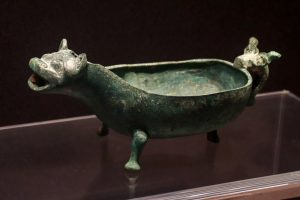
Start Day One at the Mianyang Museum, a low‑slung building tucked behind a ginkgo grove. The Han‑dynasty lacquerware and Three Kingdoms bronze seals take about ninety minutes. Walk east along the river to the Tiefo Temple, where a cast‑iron Buddha has survived earthquakes and revolutions. Incense coils hang from the eaves; locals press foreheads to the stone threshold before tossing a coin into the bronze bowl. Lunch at a riverside stall: cold rice noodles tossed with chili oil, crushed peanuts, pickled mustard greens and a splash of black vinegar. Spend the afternoon at People’s Park — not for monuments but for the open‑air teahouse where retirees play mahjong under banyan trees. Order a gaiwan of jasmine, watch the tiles clack, and you’ll understand the city’s rhythm better than any plaque can explain.
Day Two heads north. Take Line 1 to Science City Station, then a ten‑minute walk to the Chinese Academy of Engineering Physics exhibition hall. Security is tight — bring your passport, leave power banks in the locker. The displays trace China’s nuclear program from the Gobi test sites to today’s civilian isotopes. It’s sobering, technical, and oddly quiet. From there, a taxi climbs the foothills to Xianhai Lake. The reservoir fans out between terraced orchards; in late spring the peach blossoms turn the shore pink. Rent a paddle boat, or hike the lakeside trail to a hilltop pavilion where vendors grill lamb skewers over charcoal. Sunset paints the water gold, and the drive back down the winding road feels like leaving a secret.
Eating Like a Local: What Hits the Table
Mianyang cuisine sits between Chengdu’s fire and the milder basin flavors to the east. The signature dish is Mianyang rice noodles — thin, springy strands blanched in a broth of pork bones, ginger and star anise, then topped with minced pork, fermented bean sprouts, cilantro and a spoonful of chili oil that glows like amber. Another staple: steamed rice flour rolls stuffed with pickled radish and ground beef, served with a dipping sauce of soy, garlic and sesame oil. For a sit‑down meal, order the “three steams” — pork belly with preserved mustard, chicken with ginger, and fish with fermented chili — each arriving in a stacked bamboo steamer that traps the aroma until the lid lifts.
- Home‑style rice noodles: 200 g dried rice noodles, 500 ml pork‑bone broth, 50 g minced pork, 30 g fermented bean sprouts, 10 g cilantro, 15 ml chili oil, 5 ml black vinegar, 5 g crushed peanuts.
- Steps: Soak noodles in warm water ten minutes. Blanch in boiling broth thirty seconds. Divide into bowls. Top with minced pork (quick‑fried with ginger and doubanjiang), bean sprouts, cilantro, peanuts. Drizzle chili oil and vinegar. Serve immediately.
In restaurants, point to the picture menu and say “wei yao” (mild spice) or “zhong yao” (medium). The kitchen will still send a chili‑oil ramekin on the side — use it. Skip the “tourist set” combos; they pad the plate with frozen dumplings. Instead, order two cold dishes — smashed cucumber with garlic, and wood‑ear fungus with vinegar — then one hot wok dish and a bowl of plain rice. The bill for two rarely exceeds a hundred yuan.
Culture Beats: What Locals Expect
Mianyang people value face and punctuality in equal measure. If a friend invites you to a home dinner, arrive five minutes early with a small gift — fruit or a pack of good tea. The host will refill your bowl before you finish; leaving a few grains shows you’re satisfied, not wasteful. Toast with the right hand supporting the glass bottom, left hand lightly touching the rim. When the eldest raises a glass, everyone stands. In public, queues form at metro doors but dissolve at street‑food stalls — step in, order loud, pay fast. Haggling at the night market is expected, but stop when the seller smiles; that’s the real price.
Seasonal festivals follow the lunar calendar. The Dragon Boat races on the Fu River draw crowds to the banks in the fifth month; the Mid‑Autumn lantern fair lights up People’s Park in the eighth. If you’re in town during the spring plowing rites, you’ll see paper oxen burned at crossroads — a gesture to the earth god for a good harvest. Join the onlookers, don’t photograph the ritual up close unless invited.
Common Missteps and How to Dodge Them
- Assuming English works everywhere. Hotel front desks and airport counters speak it; taxi drivers and market vendors rarely do. Carry a card with your hotel address in Chinese characters.
- Skipping cash. Mobile pay dominates, but the smallest noodle stalls and temple donation boxes still want coins. Keep a hundred yuan in small notes.
- Treating the science‑city exhibit as a quick photo op. The staff monitor dwell time; rushing through triggers a polite but firm escort to the exit. Budget two hours.
- Booking a river‑view room without checking the floor. Lower floors catch the karaoke from the promenade stage on summer nights. Ask for the fifth floor or higher.
- Ignoring the altitude jump at Xianhai. The lake sits above 1,000 meters. If you hike the ridge trail, carry water and pause every twenty minutes the first hour.
Mianyang doesn’t perform for tourists. It runs on research grants, rice‑noodle steam, and the quiet pride of a city that helped shield a nation. Stay long enough to hear the mahjong tiles clack over a gaiwan of jasmine, and you’ll leave with something heavier than souvenirs — a sense of how ordinary days stack into history.