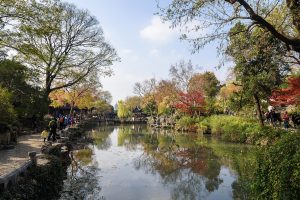
Nanjing in November is one of eastern China’s best-kept secrets. While summer crowds have long since faded and the freezing damp of January hasn’t yet settled, late autumn transforms the ancient capital into a vivid canvas of fiery red maples and golden ginkgo leaves. For English-speaking travelers, November delivers crisp, comfortable walking weather, shorter lines at major historical sites, and an authentic window into a city where modern high-speed infrastructure seamlessly intersects with thousands of years of imperial and tragic twentieth-century history.
Whether you are extending a trip from neighboring financial hubs—similarly to planning a late-autumn getaway using our Shanghai in November 2026: Weather, What to Wear and What to Do guide—or embarking on a standalone journey, this comprehensive city-month planner covers everything you need to navigate Nanjing like a seasoned local.
—
1. November Weather and What to Wear
The Climate
November in Nanjing brings a crisp, refreshing shift into late autumn. Daytime temperatures typically hover between 15°C and 20°C (59°F–68°F), making it ideal for walking outdoors. However, once the sun sets, temperatures drop sharply, often dipping down to 8°C–10°C (46°F–50°F). Rain is relatively infrequent, but when grey, damp days do roll in, the humidity can make the chill feel more penetrating.
What to Pack
* Layering is Key: Bring a mix of long-sleeve shirts, light sweaters, and a medium-weight windproof jacket or trench coat.
* The Evening Coat: You will definitely want a warmer jacket or fleece for evening walks along the Qinhuai River or early morning ascents up Purple Mountain.
* Footwear: Comfortable walking shoes or sturdy sneakers are non-negotiable. Nanjing’s historical sites involve considerable stone-stair climbing, vast courtyards, and extensive museum floor space.
* Accessories: A light scarf and gloves can make evening outings much more pleasant.
—
2. Getting There: High-Speed Rail and Metro Basics
Nanjing is exceptionally well-connected, serving as a major transportation nexus in the Yangtze River Delta.
From Shanghai and Hangzhou
High-speed rail (HSR) is by far the easiest and most efficient way to arrive.
* From Shanghai: Frequent bullet trains depart from Shanghai Railway Station or Shanghai Hongqiao to Nanjing South (Nanjingnan) or Nanjing Station daily. The journey takes anywhere from 1 hour 15 minutes to 2 hours, mirroring routes discussed in our Shanghai in November 2026: Weather, What to Wear and What to Do travel breakdowns.
* From Hangzhou: Direct high-speed trains connect Hangzhou East to Nanjing in approximately 1 hour 40 minutes to 2 hours.
Tip: If you are visiting China for the first time, check your eligibility status beforehand using the China 30-Day Visa-Free Entry in 2026: Which Countries Qualify and the Rules guide to streamline your arrival logistics.
Navigating Locally with the Metro
Nanjing’s Metro system is clean, affordable, and fully bilingual (with English signage and audio announcements). To navigate transfers, locate English-friendly cafes, and find metro exits seamlessly, consult the How to Use Amap (Gaode Maps) in China as a Foreigner: 2026 English Guide for step-by-step instructions on setting up digital maps and transit tools on your phone.
—
3. Top Itinerary Highlights for November
Purple Mountain and the Sun Yat-sen Mausoleum
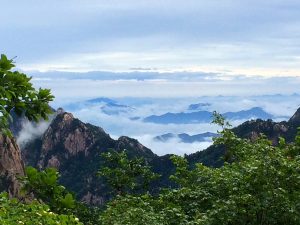
November is prime foliage season on Purple Mountain (Zijin Shan), where ancient trees turn vibrant shades of orange, amber, and crimson.
* Timing: Head out early in the morning (around 8:30 AM) to beat the domestic tour groups and catch the soft morning mist rolling over the forested slopes.
* Sun Yat-sen Mausoleum: Set against the mountain backdrop, climbing the grand marble staircase to the resting place of modern China’s founding figure offers sweeping views of the surrounding tree canopy. Wear shoes with good traction, as the stone steps are steep.
Confucius Temple and Qinhuai River Evening Walk
By night, the area surrounding the Confucius Temple (Fuzimiao) and the meandering Qinhuai River comes alive with glowing traditional lanterns reflecting off the water.
The Experience: Stroll along the pedestrianized historical blocks, sample local street snacks like duck blood vermicelli soup (yaxue fensitang*), and consider taking a traditional wooden tourist boat ride along the illuminated river canal.
* Dining Tip: If you are craving a break from traditional local street food or looking for an iconic interactive dining experience during your trip, check out the Haidilao Hot Pot in China: A First-Timer’s Guide for Foreigners to master ordering, service quirks, and famous noodle performances at Nanjing’s popular outlets.
The Nanjing Massacre Memorial Hall: Respectful Visit Tips
Visiting the Museum of the Nanjing Massacre (侵华日军南京大屠杀遇难同胞纪念馆) is a deeply moving, somber, and historically vital experience. Because of its sensitive nature, visitors should observe proper etiquette:
* Maintain a Sober Demeanor: This is a solemn memorial and burial site for victims of war atrocities, not a standard sightseeing attraction. Keep voices low, refrain from loud laughter, and turn off camera flash inside exhibition halls.
* Photography Rules: Check local signage regarding photography. While exterior courtyards and sculptural monuments often permit non-flash photos, many indoor galleries restrict recording entirely out of respect.
* Advance Booking: Free tickets must typically be reserved online in advance using your passport details. Plan your booking a few days ahead, as slots fill up quickly.
—
4. Culinary Adventures: What and Where to Eat in Nanjing
No trip to Nanjing is complete without exploring its distinct culinary heritage, which heavily features duck and fresh, seasonal autumnal ingredients.
* Nanjing Salted Duck (Yanshuiya): Known for its tender texture and light, savory flavor, this is the city’s signature dish. You can find it at local eateries and specialty food stalls across the Confucius Temple district.
* Duck Blood Vermicelli Soup (Yaxue Fensitang): A comforting, steaming bowl of broth, glass noodles, duck blood cubes, and giblets garnished with cilantro and chili oil—the ultimate remedy for a crisp November afternoon.
* Steamed Dumplings (Tangbao): Thin-skinned soup dumplings packed with rich, savory pork or crab roe broth. Be sure to bite a small hole, sip the broth carefully before eating the rest, and pair it with black vinegar and shredded ginger.
—
5. Rainy-Day Museums: Indoor Escapes
If November delivers a sudden misty or rainy afternoon, Nanjing has world-class indoor alternatives that rival any outdoor site:
* Nanjing Museum (南京博物院): One of China’s first large-scale museums, featuring vast collections ranging from imperial porcelain and jade artifacts to a remarkable underground Republican-era street reconstruction where you can walk through old storefronts and tea houses.
* The Presidential Palace (Zongtongfu): While partially open-air, the sprawling complex features extensive indoor exhibition halls detailing the tumultuous political transitions from the Taiping Heavenly Kingdom through the Republic of China era.
—
6. Practical Checklist for Nanjing in November
1. Connectivity & Navigation: Ensure your smartphone has a reliable data roaming plan or eSIM, and download Amap following the How to Use Amap (Gaode Maps) in China as a Foreigner: 2026 English Guide to handle walking directions and taxi hailing effortlessly.
2. Passport Mandatory: Always carry your physical passport. You will need it to enter major historical sites, collect train tickets, and check into hotels.
3. Payment Apps: Set up Alipay or WeChat Pay linked to an international credit card before departure to pay for metro rides, meals, and entrance fees smoothly.
—
Frequently Asked Questions (FAQ)
Is November a good time to visit Nanjing?
Yes, November is widely considered one of the best months of the year to visit. The weather is dry, cool, and comfortable for walking, and the autumn foliage reaches its peak across Purple Mountain and the city’s ancient parks.
Do I need to book tickets for major attractions in advance?
While parks and outdoor mountains generally do not require advance booking, major indoor sites like the Nanjing Museum and the Nanjing Massacre Memorial Hall require free online reservations using your passport information days ahead of your visit.
How many days should I spend in Nanjing?
A 2- to 3-day itinerary is ideal for first-time visitors. This allows you to spend one day exploring Purple Mountain and the Ming tombs, another day covering historical museums and the Presidential Palace, and an evening enjoying the Confucius Temple night views and local culinary specialties.