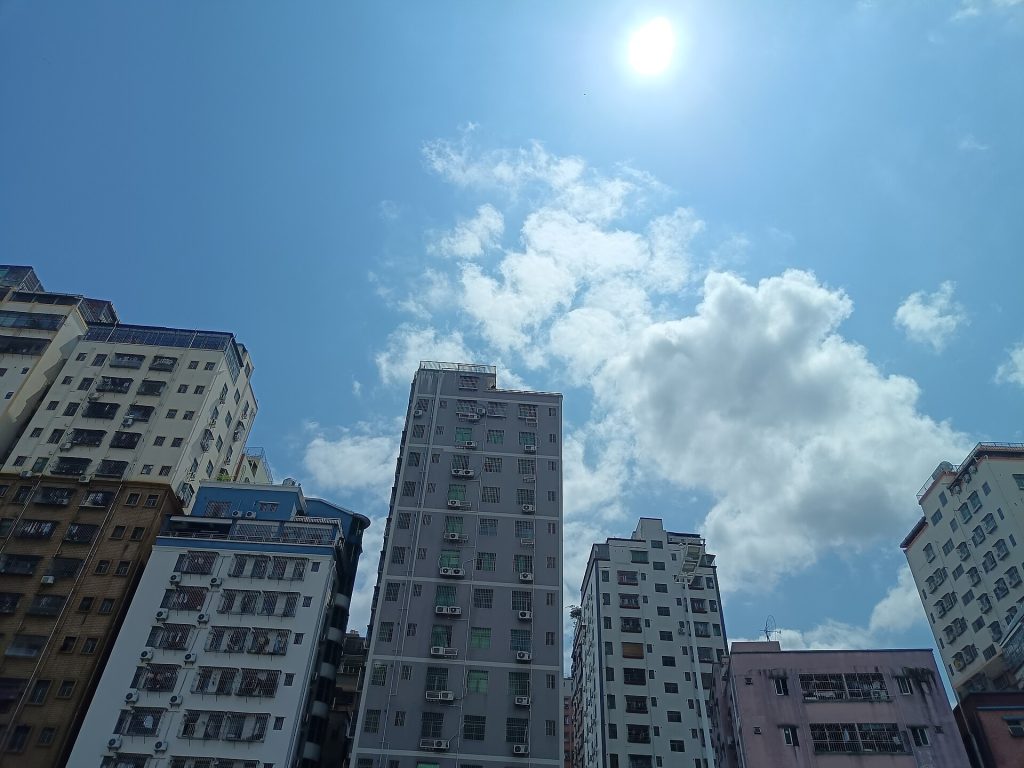
November is arguably the absolute best month of the year to visit Shenzhen. Gone is the sweltering, humid grip of the summer monsoon and the heavy typhoon watch of early autumn. In its place comes crisp, clear skies, comfortable daytime temperatures hovering around 26°C (79°F), and pleasant evening lows settling near 19°C (66°F). For first-time visitors, this modern metropolis—stretching from futuristic tech hubs to lush green parks—unfolds at its most inviting pace.
Whether you are combining Shenzhen with a broader trip or arriving fresh off a flight, here is your comprehensive, practical city planner for navigating Shenzhen in November 2026 as an English-speaking traveler.
—
1. Why November is Prime Time for Shenzhen
Shenzhen’s subtropical climate can be punishingly hot for much of the year, but November delivers a refreshing meteorological reset. Humidity drops significantly, rainfall is minimal (averaging only about 37mm across a handful of light, fleeting showers), and outdoor exploring no longer feels like an endurance sport. This pleasant weather coincides with an energetic time for the city’s cultural and tech scenes. It is also an ideal shoulder season: you avoid the massive crowds of China’s Golden Week holidays in October while enjoying vibrant city life, outdoor café culture, and comfortable walks around Shenzhen’s massive urban green spaces.
If you are mapping out a wider regional itinerary, Shenzhen pairs exceptionally well with neighboring destinations experiencing similar gorgeous late-autumn weather. You might consider checking out Yangshuo in November 2026: Late-Autumn Karst Landscapes, Quiet Rivers, and Practical Travel Tips for a peaceful rural contrast, or heading north to explore Xi’an in November 2026: Weather, Terracotta Army, and City Guide for ancient history. Travelers heading into southern China for trade or autumn exhibitions can also easily link their trip with the Canton Fair Autumn 2026 for First-Time Foreign Visitors just up the road in Guangzhou.
—
2. Entry Requirements and Border Context
Before landing, ensure your travel documents are in order. Thanks to expanded policies, many international travelers can take advantage of simplified entry. Review the latest updates via the China 30-Day Visa-Free Entry in 2026: Which Countries Qualify and the Rules to confirm whether your passport qualifies for visa-free transit or short-term tourism.
Crossing from Hong Kong
Shenzhen shares a massive land and sea border with Hong Kong, making cross-border day trips or multi-city itineraries seamless.
* The MTR East Rail Line: You can board a train right from downtown Hong Kong (Hung Hom or Admiralty) and arrive directly at the Luohu or Lok Ma Chau (Futian) checkpoints in under an hour.
* High-Speed Rail: West Kowloon Station in Hong Kong connects directly to Shenzhen North Station in just 14 to 20 minutes.
Note:* While Hong Kong is a fantastic neighboring hub, Shenzhen has its own distinct, hyper-modern pulse. Treat Shenzhen as a destination in its own right rather than just an extension of Hong Kong.
—
3. Arrival, Airport, and Getting Around
Shenzhen Bao’an International Airport (SZX)
Located about 30 km from the city center, SZX is a masterclass in modern architecture (designed by MAD Architects).
* Metro: Line 11 connects the airport directly to downtown Futian and Luohu districts in roughly 30 minutes. Trains are clean, fast, and feature English signage.
* Taxis and Ride-Hailing: Official taxi stands are well-signposted outside arrivals. Alternatively, you can use Didi (available via WeChat or Alipay miniprograms) for cashless, English-friendly rides.
Navigating the City Like a Pro
Shenzhen’s Metro network is expansive and continuously growing. Buying single-journey tokens at station kiosks is easy, but setting up digital transit cards via Alipay or WeChat Pay makes tapping through turnstiles effortless.
Because English street signs can occasionally be sparse in smaller alleyways, digital navigation is essential for foreign travelers. For step-by-step routing, walking directions, and English-friendly exploration, learn how to master local mapping by reading How to Use Amap (Gaode Maps) in China as a Foreigner: 2026 English Guide.
—
4. First-Timer Orientation: Where to Go and What to See
Shenzhen is a city built at lightning speed—it lacks ancient dynastic walls, but makes up for it with architectural marvels, design districts, and urban parks.
Lianhuashan Park (Lotus Hill)
For your structural orientation of the city, start here. Lianhuashan Park sits right in the heart of the Futian CBD. A short, gentle walk up the hill brings you to a bronze statue of Deng Xiaoping overlooking the staggering skyscrapers of Shenzhen’s financial district. On a clear November afternoon, the skyline views are breathtaking, and you’ll find locals flying intricate kites on the massive lawn below.
OCT Harbour and OCT-LOFT
The Overseas Chinese Town (OCT) zones represent Shenzhen’s creative soul.
* OCT Harbour: A sprawling waterfront leisure area blending modern dining, retail, public art installations, and the expansive Watershow performance. It’s ideal for an evening stroll when the November temperatures drop comfortably.
* OCT-LOFT: Housed in former industrial factory warehouses, this creative cultural park is lined with independent bookstores, specialty coffee shops, art galleries, and indie music venues.
—
5. Experiencing Shenzhen’s Cutting-Edge Innovation
You cannot truly understand Shenzhen without witnessing its status as the hardware capital and “Silicon Valley of China.” November’s comfortable weather makes exploring these high-tech zones a breeze.
Futian CBD and Ping An Finance Centre
Rising 599 meters, the Ping An Finance Centre is the fourth-tallest building globally. Its Free Sky observation deck offers unmatched 360-degree vistas of the entire metropolitan area, stretching all the way to the mountains bordering Hong Kong on exceptionally clear November days. Afterward, stick around the Futian central district after dark to catch the synchronized skyscraper light show.
Autonomous Tech in Nanshan District
Head over to the Nanshan tech hub to experience everyday life in the year 2026.
* Robotaxis: You can book Level 4 autonomous vehicles (such as Pony.ai) directly through major mapping and ride apps to zip across tech parks without a human driver behind the wheel.
* Drone Deliveries: Keep an eye on the sky or designated rooftop kiosks where commercial delivery drones drop off meals and hot coffees ordered via mobile apps.
—
6. Payment Apps, Connectivity, and Practical Tips for English Speakers
China has rapidly evolved into a cashless, digital-first society. Preparing your smartphone before departure will completely transform your trip from stressful to seamless.
* Digital Wallets: Download Alipay and WeChat before you arrive. Link your international credit cards (Visa, Mastercard, American Express) directly to these apps. You will use them for everything from paying for subway rides and convenience store snacks to ordering meals at high-tech restaurants.
Connectivity & VPNs: Major Western apps (Google Maps, Instagram, WhatsApp, Gmail) require a reliable roaming plan or a virtual private network (VPN) installed before* arriving in mainland China, as standard local Wi-Fi blocks them.
* Dining Out: Shenzhen is a melting pot of global cuisines and regional Chinese specialties. If you want a quintessential, high-energy dining experience paired with world-class hospitality, make sure to plan a meal using Haidilao Hot Pot in China: A First-Timer’s Guide for Foreigners.
Pack a light jacket for breezy November evenings, load up your digital wallets, and get ready to experience one of the most dynamic tech capitals on the planet at its absolute meteorological best.
—
Frequently Asked Questions (FAQ)
What should I pack for Shenzhen in November?
Pack lightweight clothing (t-shirts and light trousers) for comfortable daytime exploring, but bring a light jacket, sweater, or cardigan for cooler evenings when temperatures drop toward 19°C (66°F). Comfortable walking shoes are a must since you will likely log plenty of steps exploring parks and futuristic urban centers.
Do I need cash in Shenzhen?
Virtually no cash is required. Almost all vendors, restaurants, taxis, and public transit systems operate entirely via mobile payments through Alipay or WeChat Pay. Setting these up with an international credit card prior to arrival is strongly advised.
Is Shenzhen English-friendly for tourists?
Major tourist attractions, major hotels, high-speed rail stations, and the entire Metro system feature clear English signage and automated ticket machines with language options. While everyday street vendors may not speak fluent English, translation mini-programs inside Alipay and WeChat bridge the gap effortlessly.