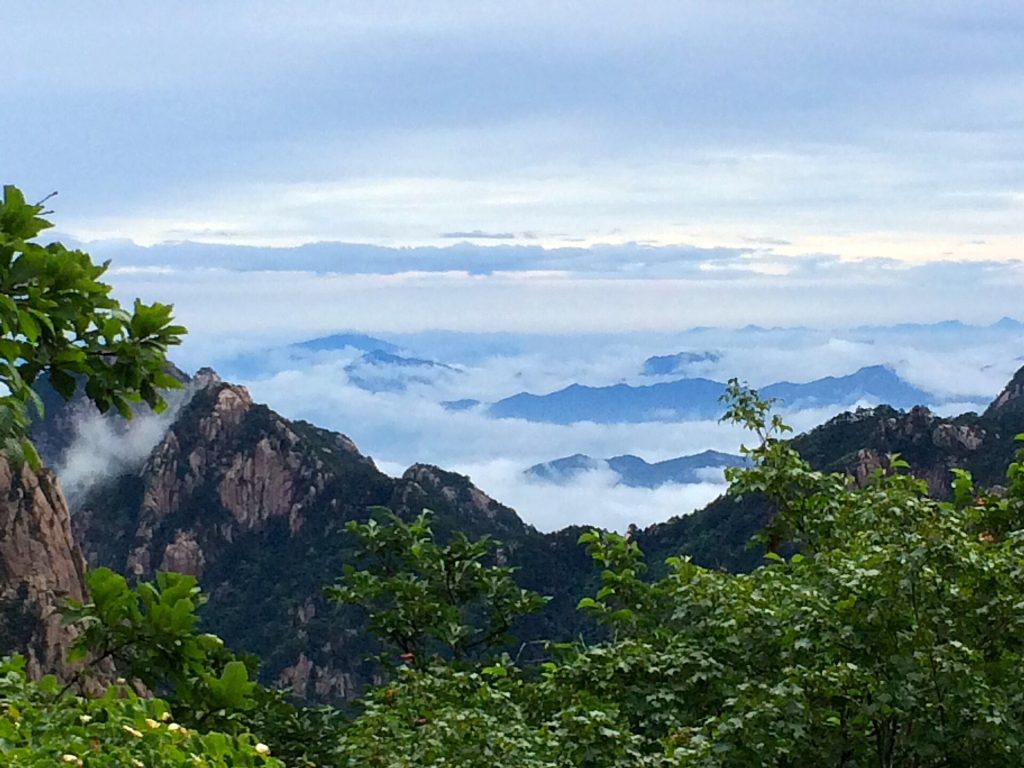
Huangshan (Yellow Mountain) in November transitions into a crisp, dramatic late-autumn landscape. As the autumn foliage fades into bare winter pines and frosty morning mists, the mountain reveals its iconic ink-wash painting aesthetic. November brings cooler temperatures, fewer peak-season crowds, and a high probability of witnessing the legendary “Sea of Clouds” (Yunhai), making it one of the most rewarding months for landscape photographers and hikers willing to embrace the chill.
Whether you are pairing your trip with other destinations like Jiuzhaigou in November 2026: Late Autumn Colors, Reservations and Altitude Tips or Beijing in November 2026: Weather, What to Wear and Where to See Late Autumn, planning a late-autumn excursion to Anhui’s crown jewel requires careful attention to transport, ticketing, and cold-weather preparation.
—
1. November Weather & What to Expect
November on Huangshan is distinctly cold, especially at higher elevations. While daytime temperatures in nearby Tunxi (Huangshan City) can remain comfortable, summit temperatures (such as Bright Summit and Beginning-to-Believe Peak) regularly drop near or below freezing, particularly after sunset and before sunrise.
* Temperature Ranges: Valleys and base towns average 8°C to 17°C (46°F to 63°F), while summit areas range from -2°C to 8°C (28°F to 46°F).
* Frost and Ice: Early morning frost is common on boardwalks and steps. Patches of thin ice may form on shaded trails after cold fronts pass.
* The Sea of Clouds: November’s alternating high-pressure systems and moisture create ideal meteorological conditions for the sea of clouds. When temperature inversions trap low-lying mist beneath the granite peaks, the scenery mirrors classical Chinese landscape scrolls.
—
2. Booking Scenic-Area Tickets and Cable Cars as a Foreigner
Navigating ticket purchases for China’s national parks can be daunting for international travelers, but official channels and trusted aggregators have streamlined the process.
* Official Channels & Trip.com: Entrance tickets, internal shuttle bus vouchers, and cable car tickets can be reserved via the official Huangshan Scenic Area booking channels or through international platforms like Trip.com, which support foreign credit cards and passport verification.
* Passport as Your Ticket: In line with official park management policies, foreign visitors must book using their valid passport details. Your physical passport serves as your digital ticket; you will scan it directly at turnstiles and cable car boarding gates.
* Advance Reservation: While November experiences lower crowds than peak October Golden Week, weekend visitors and those aiming for optimal sunrise/sunset windows should still book entry and cable car slots in advance. Check official notices for any seasonal operating hour adjustments or maintenance schedules on routes like the Yuping, Yungu, or Taiping cable cars.
—
3. Recommended Itinerary & Route Planning for November
Crafting a well-paced two-day or three-day itinerary ensures you experience the best of Huangshan without burning out your legs on the thousands of stone steps.
* Day 1: Ascent and Peak Exploration
* Arrive early at the Tangkou hub, take the official scenic shuttle bus to either the Yungu Cable Car or Yuping Cable Car station, and ascend into the misty peaks.
Spend the afternoon exploring the Beginning-to-Believe Peak (Shixin Peak*) and the Lion Peak areas, famous for uniquely shaped pines and dramatic gorges.
* Check into your summit hotel well before sunset to secure your viewing spot for the evening glow over the granite ridges.
* Day 2: Sunrise and Descent
Rise early to catch the sunrise at Bright Summit (Guangmingding) or Refreshing Terrace (Qingliangtai*), where the sea of clouds is frequently visible on crisp November mornings.
After breakfast, hike past the Flying-over Rock (Feilaishi*) down toward the West Sea Grand Canyon or head directly toward the cable car descent route.
* Return to Tangkou via shuttle bus and transfer onward to Tunxi or Huangshan North Railway Station.
—
4. Base Overnight Tips: Staying in Tunxi vs. On-Mountain
Choosing where to sleep shapes your entire Huangshan experience. Most travelers split their time between a gateway city base and a summit stay.
Tunxi (Huangshan City) / Tunxi Old Street
Staying in Tunxi is ideal for your arrival and departure nights. It offers easy access to the railway station, vibrant local Anhui cuisine, and cultural walks along Tunxi Old Street.
* Getting Around: To navigate local eateries, transport hubs, and taxi pickups around the city smoothly, keep How to Use Amap (Gaode Maps) in China as a Foreigner: 2026 English Guide handy on your phone for English-friendly transit guidance and mapping.
* Culinary Note: After descending from the cold peaks, warm up with regional hot pots or comforting local dishes. If you enjoy interactive dining experiences during your travels through China, you might also appreciate checking out Haidilao Hot Pot in China: A First-Timer’s Guide for Foreigners for a reliable, foreigner-friendly culinary stop in major cities.
On-Mountain Accommodation
To catch Huangshan’s famous sunrise without hiking up in the dark during freezing pre-dawn hours, staying overnight at a summit hotel (such as the Beihai Hotel, Yupinglou Hotel, or Baiyun Hotel) is strongly recommended.
* Book summit rooms well in advance, as heating and room availability are limited compared to valley hotels.
* Keep in mind that summit accommodations prioritize conservation; amenities are basic, and prices reflect the logistical challenge of transporting supplies up the mountain by cable car or porter.
—
5. Packing Layers and Cold-Weather Gear
Because you will transition from climbing warm stairs to standing still on windy summits waiting for sunrise, layering is essential.
* Base Layer: Moisture-wicking thermal tops and leggings to keep sweat away from your skin during heavy exertion.
* Insulating Layer: A fleece jacket or lightweight down jacket.
* Outer Layer: A windproof and waterproof outer shell (Gore-Tex or equivalent) to block biting summit winds and unexpected mist or sleet.
* Accessories: Warm beanie, windproof gloves (essential when holding trekking poles or cameras in sub-freezing wind), and a scarf or neck gaiter.
* Footwear: Sturdy, broken-in hiking boots with good ankle support and high-traction rubber soles to handle slippery stone steps covered in morning frost.
—
6. Altitude and Stairs Fitness Notes
Huangshan does not pose significant risks for acute mountain sickness (AMS)—its highest peak, Lotus Peak, sits at 1,864 meters (6,115 feet)—meaning altitude breathlessness is minimal compared to high-plateau destinations. However, the physical challenge comes entirely from stairs.
* The Vertical Staircase: The mountain features tens of thousands of uneven stone steps carved into the cliffs. Your quadriceps, calves, and knees will bear the brunt of the load.
* Pacing Yourself: Do not rush. Use trekking poles to distribute impact evenly, especially during descents, which are notoriously tough on the knees.
* Facilities: Restrooms, vending machines, and small rest stops are located at regular intervals along main trails, allowing you to pace your hike and hydrate safely.
—
Frequently Asked Questions (FAQ)
* Are all cable cars and trails open in November?
Most major cable cars (Yuping, Yungu, and Taiping) remain operational through November, though routine maintenance schedules can occur. Certain high-peak trails or steep routes like the West Sea Grand Canyon bottom path may close seasonally due to ice and frost safety protocols. Check local daily notices at the ticket gates.
* Is November too cold for hiking Huangshan?
Not at all, provided you dress in proper winter layers. While summit mornings are freezing, clear autumn days offer some of the crispest visibility and most breathtaking sea of clouds formations of the entire year, with significantly smaller crowds than summer or peak autumn weekends.
* How do I get from Huangshan North Railway Station to the scenic area?
You can take a direct tourist shuttle bus or a licensed taxi from Huangshan North Railway Station (high-speed rail) directly to the Tangkou Hub (South Gate of the scenic area), which takes approximately 50 to 60 minutes.
—
Are you planning to tackle the trails on foot from the base, or would you prefer to use the cable cars for both ascent and descent?