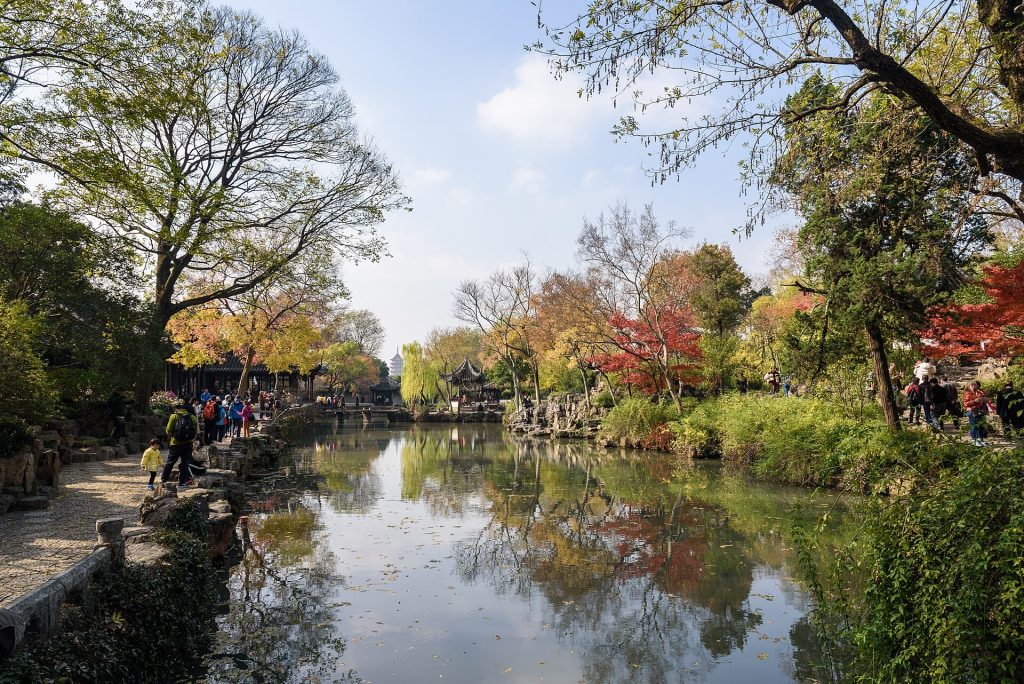
Often celebrated as the “Venice of the East,” Suzhou is a masterclass in classical Chinese aesthetics. Located just a short hop from the metropolis, it serves as an ideal escape if you are planning a trip to Shanghai in November 2026: Weather, What to Wear and What to Do. While summer brings heavy humidity and peak-season crowds, November ushers in crisp autumn air, fiery red maples, golden ginkgo leaves, and a much more contemplative pace.
Whether you are arriving as part of a broader journey—perhaps taking advantage of the China 30-Day Visa-Free Entry in 2026: Which Countries Qualify and the Rules—or just looking for a seamless weekend getaway, Suzhou in late autumn delivers an unforgettable blend of misty canals, UNESCO-listed gardens, and steaming cups of local green tea.
—
November Weather in Suzhou: What to Expect
November marks the heart of late autumn in eastern China. Gone is the sticky heat of summer, replaced by crisp, refreshing days and cooler evenings.
* Temperature Ranges: Daytime highs typically hover around 16°C to 20°C (61°F to 68°F), while nighttime lows drop down to a brisk 9°C to 12°C (48°F to 54°F).
* Fall Foliage: Suzhou’s classical gardens and parklands hit peak autumn colors around mid-to-late November. The deep greens of ancient pines and architectural timber frame structures contrast sharply with vibrant yellow ginkgo trees and fiery red maples.
* Precipitation: November is generally one of the drier months, though you can occasionally encounter misty, overcast days that give the canals an ethereal, ink-wash painting quality.
—
Navigating Suzhou: Essential Tech & Logistics
Getting around historical Chinese cities can sometimes feel overwhelming, but modern navigation tools make it seamless. Before you head out to explore Suzhou’s alleyways, make sure you have downloaded and set up How to Use Amap (Gaode Maps) in China as a Foreigner: 2026 English Guide. Amap is invaluable for locating hidden canal paths, tea houses, and subway exits that international mapping apps sometimes miss.
Day Trip from Shanghai by High-Speed Rail
One of Suzhou’s greatest appeals is its proximity to Shanghai. High-speed trains depart from Shanghai Railway Station or Shanghai Hongqiao Station almost continuously throughout the day.
* Duration: The journey takes a mere 25 to 30 minutes.
* Arrival: You will arrive at Suzhou Railway Station, which is directly connected to Suzhou Metro Line 2 and Line 4, making it effortless to dive straight into the city center.
—
Classical Gardens Without the Overload: Which to Visit First-Timers
Suzhou is home to dozens of classical gardens, but trying to see them all in one visit is a recipe for fatigue. Instead, first-timers should focus on two distinct masterpieces that capture the essence of Ming and Qing dynasty landscaping:
1. The Humble Administrator’s Garden (Zhuozhengyuan)
As the largest and most famous garden in Suzhou, this UNESCO World Heritage site is a sprawling masterpiece of interconnected pavilions, winding rockeries, lotus ponds, and dense bamboo groves.
* November Highlight: The fading lotus pods coupled with the brilliant red Japanese maples framing the traditional moon gates create breathtaking photography compositions.
* Planning Tip: Because of its fame, visitor volume is high year-round. Be sure to check official garden reservation channels in advance to secure your entry slot. (Note: Ticket pricing fluctuates seasonally, so always verify current rates directly on official platforms rather than relying on outdated guidebooks or unverified blogs.)
2. The Master of the Nets Garden (Wangshiyuan)
If the Humble Administrator’s Garden is grand and sweeping, the Master of the Nets Garden is an intimate study in micro-landscaping. It is one of the smallest classical gardens in Suzhou, yet it feels infinitely deep due to its clever use of courtyards, covered walkways, and mirrored reflection pools.
* November Highlight: Visiting in the late afternoon lets you catch the low autumn sun casting long shadows across the whitewashed walls and intricate lattice windows.
—
Canal Walks: Pingjiang Road and Shantang Street
Once you have explored the gardens, step out onto the water. Suzhou’s canal network defines its soul, and two historic pedestrian arteries offer contrasting glimpses into old-world life.
Pingjiang Road (Pingjiang Lu)
Running alongside a tranquil canal in the historic northeastern quarter, Pingjiang Road is an ancient stone-paved street flanked by traditional courtyard houses, independent bookstores, artisan handicraft stalls, and small tea houses.
* What to do: Grab a warm cup of local Biluochun green tea, listen to Pingtan (traditional Suzhou storytelling accompanied by stringed instruments) drifting out from a teahouse window, and watch wooden scull boats glide under stone humpback bridges.
Shantang Street (Shantang Jie)
With a history stretching back over 1,200 years, Shantang Street was laid out during the Tang dynasty by the poet and politician Bai Juyi. The bustling eastern section near the city center is lined with vibrant snack stalls, souvenir shops, and red lanterns. Walking further west reveals quieter residential sections where locals wash vegetables directly in the canal waters.
—
Culinary Highlights & Dining Out
Exploring Suzhou works up a healthy appetite. The local Huaiyang cuisine leans slightly sweet and delicate, emphasizing fresh seasonal river produce.
Must-Try Dishes: Squirrel-shaped mandarin fish (songshu guiyu*), sweet and sour spare ribs, and bowls of translucent Suzhou-style noodles topped with braised eel or duck.
* A Familiar Comfort: If you find yourself craving a lively sit-down dinner after a long day of walking in the crisp November air, check out Haidilao Hot Pot in China: A First-Timer’s Guide for Foreigners. It’s an easy, welcoming dining experience with English menu ordering tablets and legendary hospitality.
—
Silk and Tea Shopping Etiquette
Suzhou has been the silk capital of China for millennia, and the nearby hillsides produce some of the country’s most prized green teas.
* Buying Silk: When shopping for silk scarves, duvets, or garments, stick to reputable government-certified shops or the Suzhou Silk Museum gift shop rather than street vendors. If you are buying a silk quilt, ask to see a small sample burned—real mulberry silk burns slowly with the smell of scorched hair and leaves a brittle ash, whereas synthetic blends melt into a hard plastic bead.
Buying Tea: Look for Dongting Biluochun, a famous local green tea harvested from the mist-shrouded hills around nearby Lake Tai. Reputable tea merchants will almost always invite you to sit down for a complimentary tasting session before you buy. Taste the tea, inspect the tightly rolled, downy green leaves, and agree on the price per jin* (500 grams) or catty before having it packaged.
—
What to Pack for Suzhou in November
* Layers: Mornings and evenings require a warm jacket, fleece, or trench coat, but afternoons under the sun can warm up comfortably enough for just a sweater or long-sleeve shirt.
* Comfortable Footwear: Suzhou’s classical gardens, stone bridges, and alleyways involve a lot of walking on uneven cobblestones and slate tiles. Bring broken-in walking shoes.
* Umbrella & Power Bank: While November is mostly dry, a compact travel umbrella is always smart insurance. A reliable power bank is also essential since you will be using your phone constantly for navigation, translation, and photography.
FAQ
Is this guide current for late 2026?
It reflects commonly reported practice as of October 2026. Always re-check official sources before you travel, because rules, ticket platforms and seasons change.
Where can I verify details?
Use the official website, WeChat account or ticket platform named for this topic. For payments and maps, see Lovely China’s practical visitor guides linked above.
What if my situation is unusual?
Ask your hotel, airline, park ticket office or embassy/consulate for case-specific advice rather than relying only on a blog post.