The minibus shudders to a halt on a gravel shoulder just outside Wuyishan town. Mist clings to the limestone peaks across the Nine Bend River, turning the cliffs into gray silhouettes. A vendor waves a bundle of bamboo shoots tied with straw rope, shouting a price in a dialect that rolls like stones in a stream. This is the edge of the Wuyi Mountains, where the Danxia rock faces guard tea terraces and ancient coffins hang in vertical cracks two hundred meters above the water.
Getting There and Moving Around
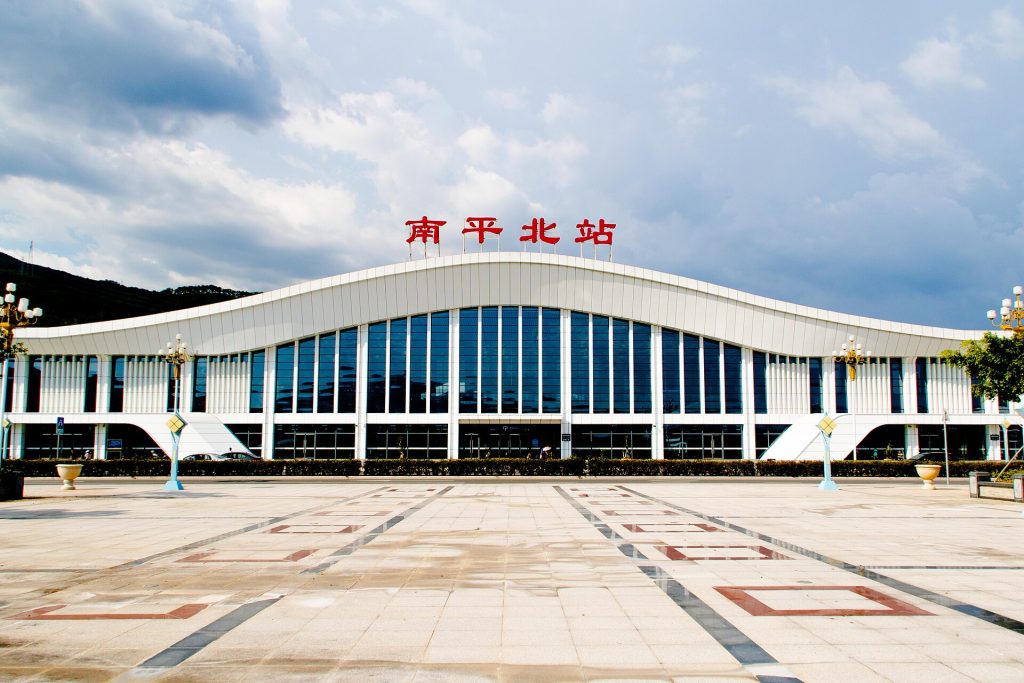
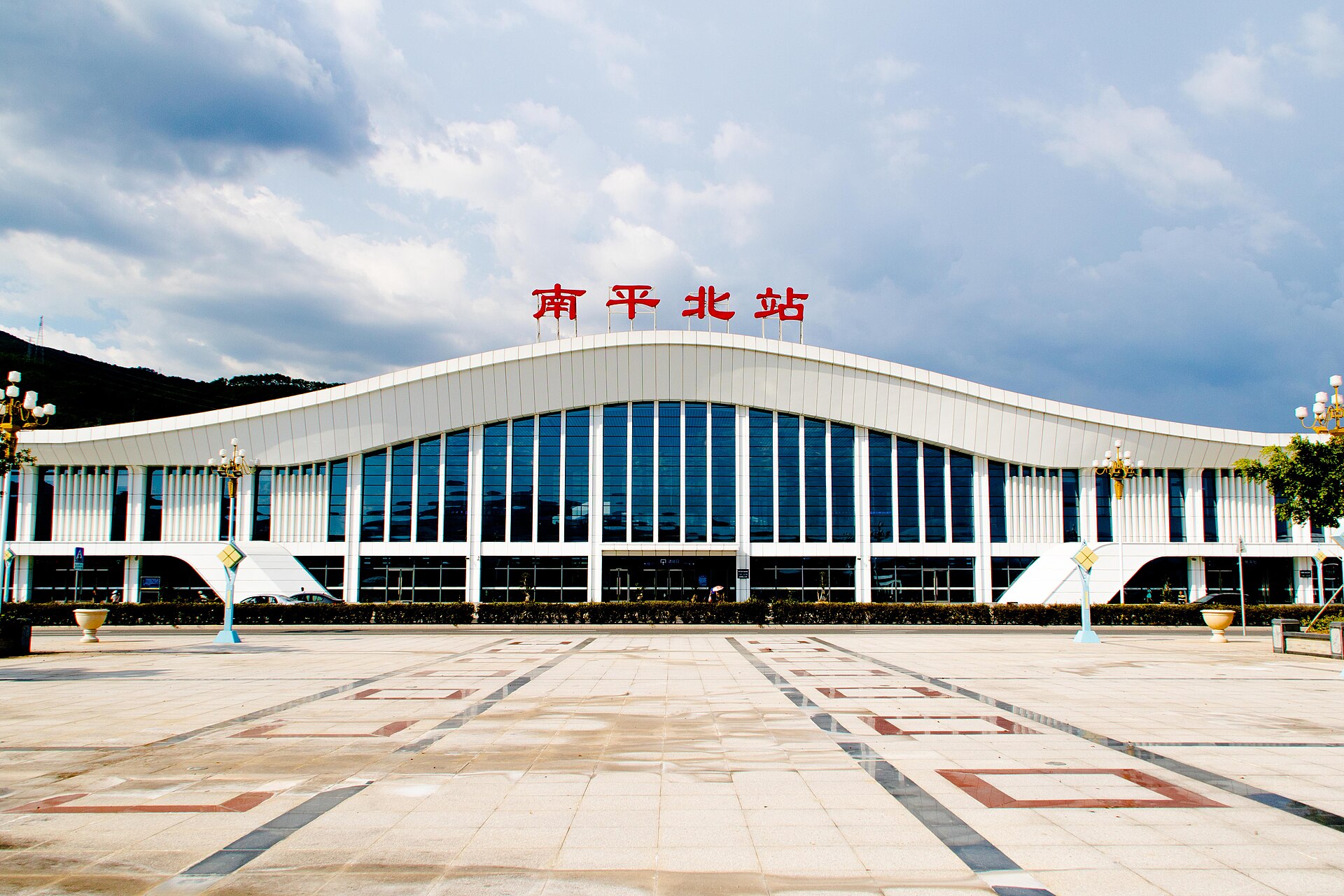
High‑speed trains from Fuzhou, Xiamen, or Hangzhou pull into Nanping North Railway Station, a glass‑and‑steel hall surrounded by taxi stands and shared‑ride minivans. The older Nanpingshi Railway Station sits closer to the city center; slow trains and a few overnight sleepers still use it. From either station, a twenty‑minute ride reaches the Wuyishan scenic gate. Inside the park, electric shuttle buses run every ten minutes along the main loop, stopping at each raft dock, trailhead, and tea village. For the ancient villages — Xingcun, Chengcun, and the tulou clusters near Shunchang — hire a driver for the day or catch a county bus from the Nanping West long‑distance station; schedules shift with the harvest, so ask your guesthouse host to write the departure times in Chinese on a scrap of paper.
Nine Bend River: Rafts, Coffins, and Rock Faces
The bamboo raft ride is the spine of any visit. Two boatmen pole the flat craft downstream while you sit on cushions under a canvas awning. The current is gentle, but the boatmen steer with long bamboo poles, nudging the raft away from submerged boulders. Over ninety minutes you pass thirty‑six named peaks — Great King Peak, Jade Maiden Peak, the Roaring Tiger — each with a poem carved into a cliff face centuries ago. The hanging coffins appear halfway through: dark wooden boxes wedged into vertical fissures, their lids weathered to the color of dried tea. No one knows how the Minyue people lifted them there two thousand years ago; local guides shrug and say “cloud ladders.” Bring a wide‑brim hat, a bottle of water, and a plastic bag for your phone — spray from the poles soaks everything within a meter.
Tea Terraces and the Da Hong Pao Trail
Wuyi rock tea grows in the narrow gullies between cliffs, where mineral‑rich water seeps through fractured rock. The most famous cultivar, Da Hong Pao, clings to a sheer wall above the Nine Dragon Window. A stone staircase climbs past shrines to the tea god; the final section is a metal ladder bolted into the cliff. At the top, a few gnarled bushes — descendants of the original mother trees — are fenced off. Monks from Tianxin Temple still hand‑roast the leaves in charcoal‑fired woks each spring. You can watch the process in the courtyard behind the temple: leaves tossed, shaken, rested, then tossed again until the edges curl like dried orchid petals. Buy vacuum‑sealed tins from the temple shop; the price reflects the labor, not a brand name.
Ancient Villages: Xingcun, Chengcun, and the Tulou Ring
Xingcun sits in a valley where the river makes a sharp S‑bend. White‑washed walls, black‑tile roofs, and wooden lattice windows line lanes barely wide enough for a motorbike. Ancestral halls dominate each clan quarter; inside, spirit tablets stand behind incense burners that have smoked for generations. In Chengcun, the Han‑dynasty city ruins lie under a persimmon orchard — fragments of wall foundations and a drainage channel exposed beside a farmer’s vegetable patch. The tulou near Shunchang are smaller than the famous Yongding clusters but less touristed. Step inside a circular earthen building at midday: the central courtyard is cool, the upper galleries shadowed, and an elderly woman may offer you a cup of coarse green tea brewed in a cracked porcelain bowl. Remove your shoes at the threshold; the wooden floorboards are polished by decades of socked feet.
Nanping Museum: A Quiet Hour Off the Mountain
Back in Yanping District, the Nanping Museum on Makeng Road occupies a modern low‑rise building beside a lotus pond. The ground floor holds Neolithic pottery from the Min River basin — cord‑marked jars, stone adzes, a jade bi disc the size of a teacup. Upstairs, a hall displays Song‑dynasty porcelain kiln tools and a scroll depicting the imperial tea tribute route. Labels are in Chinese only; bring a translation app or ask the volunteer at the front desk for the English pamphlet printed on rice paper. The museum closes on Mondays and during the lunch break, so plan for a late morning or mid‑afternoon slot. Admission is free, but the donation box by the exit helps fund the restoration of a Ming‑dynasty bronze bell displayed in the courtyard.
What Newcomers Get Wrong
- Assuming the scenic area is a single day trip. The core zone alone needs two full days if you want to hike Tianyou Peak, ride the raft, and visit the tea gardens without rushing.
- Buying “Da Hong Pao” from roadside stalls near the park gate. Authentic rock tea comes with a traceability code and a harvest date; the cheap bags are usually blended leaves from lower slopes.
- Wearing sandals on the cliff ladders. The metal rungs are slick with moss after rain; closed shoes with grip save ankles.
- Expecting English menus in village homes. Point at the pot on the stove, smile, and accept whatever arrives — usually braised bamboo shoots, pickled mustard greens, and a bowl of rice.
- Ignoring the lunar calendar. The spring tea harvest (around Qingming) and the autumn Double Ninth Festival bring crowds, higher guesthouse rates, and limited shuttle seats. Book beds and raft tickets at least a week ahead during those periods.