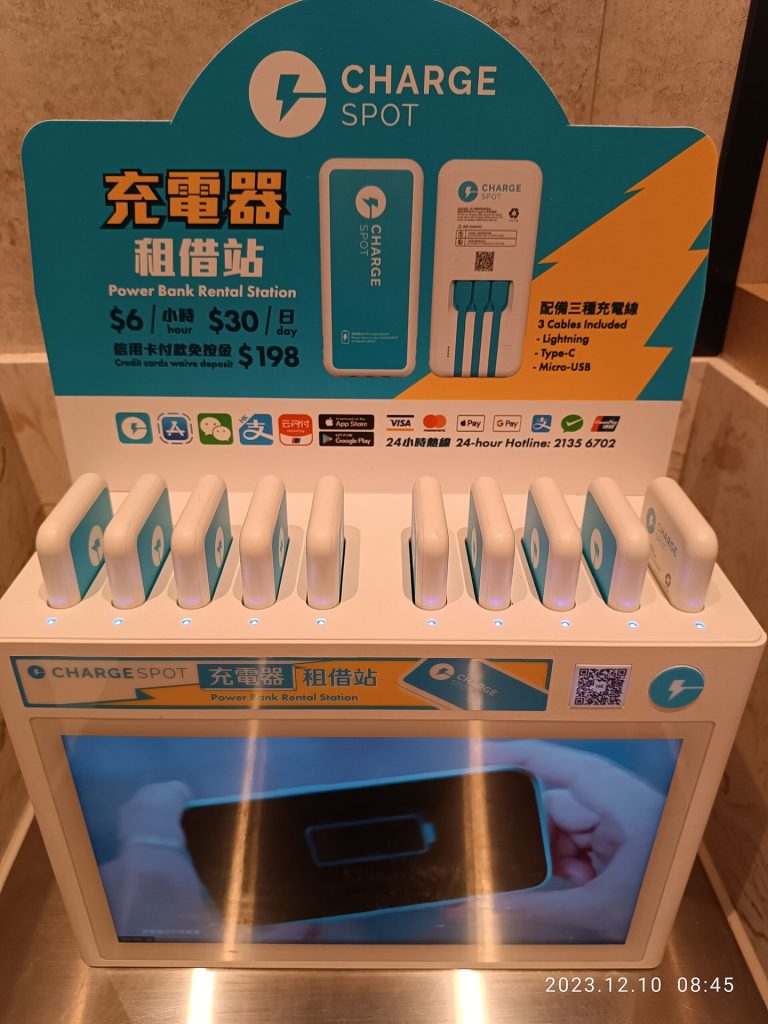
Shared power-bank cabinets glow in metro corridors, malls, and airport halls across Chinese cities—and foreigners can use many of them if WeChat or Alipay deposits cooperate. This Lovely China guide covers scan-to-rent mindset, return timing, and travel-day discipline without inventing exact yuan-per-hour prices. Verify cabinet brand prompts and airline lithium rules near your travel week.
Pair with power bank airport security, Alipay setup for foreigners, WeChat Pay bind overseas card, and Alipay and WeChat Pay hub.
Why cabinets exist
Dense cities and long metro walks drain phones. Cabinets solve that for locals who already trust the deposit flow. As a visitor, your friction is usually wallet readiness—not finding a cabinet.
Scan-to-rent mindset
1. Confirm WeChat Pay or Alipay can hold a deposit (Alipay setup for foreigners, WeChat Pay bind overseas card).
2. Scan the cabinet QR, follow bilingual prompts if present, and photograph the slot number.
3. Check the cable type before you walk away—USB-C versus Lightning mistakes waste the rental.
4. Set a phone alarm to return before overnight fees become silly—read the live screen, never invent rates.
5. Return to a compatible cabinet in the same brand network; do not assume every glowing fridge accepts every bank.
Deposit holds are not free money
Deposits can authorize like a hotel hold. Watch your bank notifications. If a return fails to release a hold promptly, use the in-app support path with your order screenshot rather than abandoning the bank at a random kiosk.
Airport and metro locations
Airports and transfer stations are convenient—and crowded. Rent after you know your gate timing, not while sprinting. Metro cabinets near exits help sightseeing days; just leave buffer to return before the last train mindset kicks in (tourist metro cards vs mobile pay, Beijing subway first-timers).
Airline lithium cross-link
Rental banks still count as lithium batteries for cabin rules. Do not toss a rented bank into checked luggage. Read power bank airport security for security tray expectations with your own banks too. If you already carry a personal bank, you may not need a rental at all.
Return before travel day chaos
Never board a train or flight still holding a rented bank you cannot return airside. Build a return stop into the hotel-checkout morning. If the nearest cabinet is full, the app usually points to alternatives—follow it instead of leaving the bank on a cafe table.
Common mistakes
Renting with 5 percent phone battery left and no plan B; ignoring brand lock-in; and arguing about blog-quoted hourly prices when the live screen disagrees.
November walking days
Cool clear weather means longer outdoor photos—and faster battery drain with cold screens. A rental can save a maps-heavy afternoon (Amap Baidu English mode), but a personal cable in your bag still matters when cabinets queue.
Payment backups
If the cabinet rejects overseas wallets, use your own power bank or a cafe charger with purchase. Do not jailbreak payment flows. Keep when you still need cash irrelevant here—these machines want apps.
Angle: rent shared power-bank cabinets as a foreigner—deposits, return timing, airport/metro tips—no fake prices; distinct from airport security rules piece.
Ground-level reminders for this topic
Stay flexible when a counter, app screen, or staff instruction disagrees with a blog. Lovely China orients travellers; live official pages and bilingual signs win. Keep China travel tools page, essential apps for foreigners, and Alipay and WeChat Pay hub bookmarked so logistics stay boring while you focus on the angle of this guide: how foreigners rent and return shared power-bank cabinets in China—WeChat/Alipay deposits, time fees mindset, airport and metro locations—without inventing exact prices.
Documents and screenshots worth keeping
Before you lose Wi-Fi, capture passport biodata clarity, booking codes, Chinese addresses, and any payment success screens (hotel Wi-Fi login with passport, offline maps for foreigners). Hotel desks and station staff solve problems faster when you show one clear screen at a time rather than five half-loaded apps (hotel registration for foreigners).
Related Lovely China reading
For payments, start with Alipay and WeChat Pay hub and WeChat Pay vs Alipay for tourists. For trains, keep high-speed rail first-timers guide and 12306 passport signup for foreigners handy. City hubs: Beijing first-visit guide, Shanghai first-visit guide. Connectivity: roaming vs local SIM honest guide, pocket Wi-Fi vs eSIM for China, offline maps for foreigners. Bookmark China travel tools page.
Practical checklist
- Confirm official rules on the relevant government, park, airline, or bank page near your travel week
- Screenshot bookings, tickets, and QR codes while you still have stable Wi-Fi
- Save hotel and attraction names in Chinese characters in your phone notes
- Carry passport, a backup payment method, and a small cash float (why cash is still needed)
- Test one small mobile payment before you rely on wallets at a gate or taxi
- Keep the China travel tools page page bookmarked for related Lovely China hubs
FAQ
Is this travel advice official?
No. Lovely China orients travellers. Verify live rules on official pages, apps, and counters near your travel week.
Will every city behave the same?
No. Airports, stations, parks, and markets differ. Use local signage and staff instructions when they conflict with a general guide.
What should I screenshot before I lose Wi-Fi?
Bookings, tickets, hotel Chinese address, pickup pins, and payment success screens.
Notes for late 2026 travellers
November and early December bring cooler mornings, earlier sunsets, and comfortable walking weather across much of eastern and central China. Pack layers and leave extra time on clear weekends at popular sights.
This article does not invent ticket prices, opening hours, processing times, consular fees, or official statistics. When a number matters, verify it on the official site, app screen, or ticket board near your travel week.
If an official rule page disagrees with this guide, follow the official page. Lovely China orients English-speaking travellers; we are not an immigration, banking, or medical authority.