White Dew—Bailu (白露)—is not a public holiday and not a fireworks date. It is one of China’s twenty-four solar terms: a named slice of the year that marks what the air and ground are doing. In 2026, Bailu falls on Monday, 7 September. For travelers and expats, that matters less as folklore trivia and more as a weather and planning cue: mornings turn cooler, day–night swings widen, and the calendar begins its short march toward Mid-Autumn and, soon after, National Day Golden Week.
You do not need to rearrange your whole trip around Bailu. You do need a light jacket, a slightly different breakfast instinct, and a sense of how Chinese seasonal language will show up on menus, tea counters, and social media in early September.
Solar terms in one practical paragraph
The twenty-four solar terms divide the solar year into periods tied to astronomy and long observation of climate, crops, and animals. They sit alongside—not instead of—the Gregorian calendar you already use for flights and hotel bookings. Some terms coincide with major festivals; many do not. Bailu is the fifteenth term and the third of autumn in the traditional sequence. Its name points to dew that becomes noticeable on grass and leaves as nights cool: moisture that looks pale in morning light.
UNESCO has recognized the twenty-four solar terms as intangible cultural heritage, which is a useful reminder that this system is still culturally alive, not only a museum label. In daily life, though, most people experience Bailu as a soft seasonal signal: weather apps, market fruit, tea talk, and the first real autumn layering.
What Bailu feels like on the ground
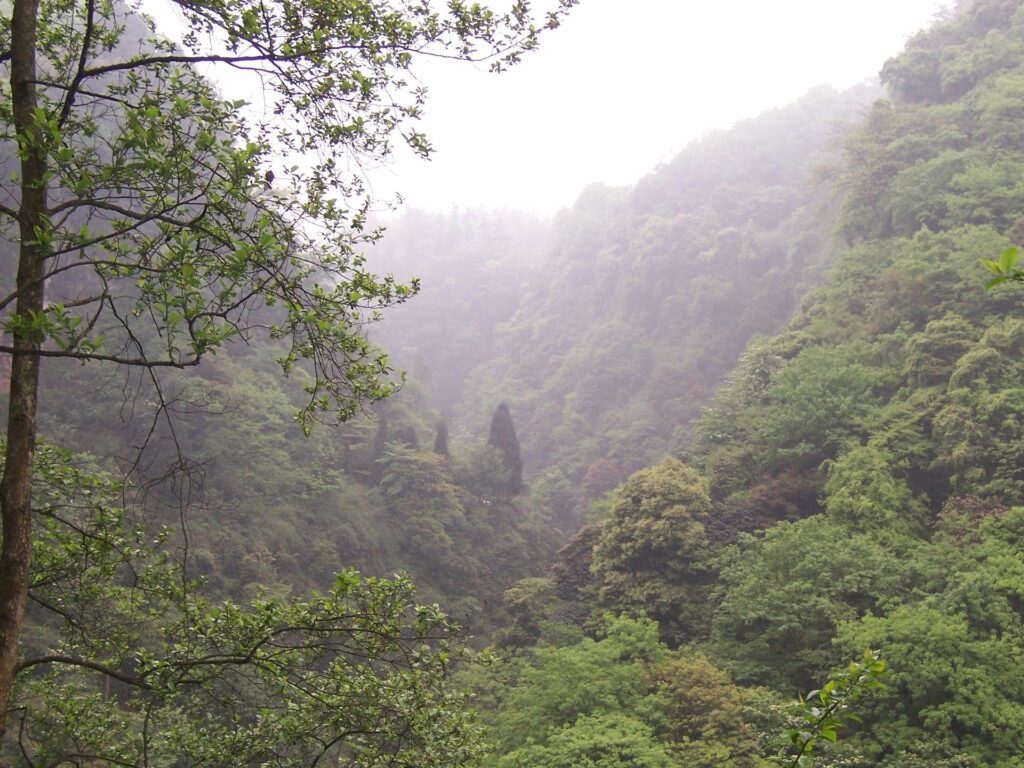
Expect larger gaps between midday warmth and early-morning chill, especially inland and in the north. Coastal Jiangnan cities can still feel mild at noon while parks feel damp and cool at sunrise. Dew and mist are common imagery for a reason. If you have been living in shorts since June, Bailu is when hotel air-conditioning starts to feel optional at night and a thin sweater earns its suitcase space.
This is also when “autumn dryness” enters health conversations—dry throat, dry skin, more attention to warm drinks and pear or tremella desserts in some regions. Treat those as cultural diet cues, not medical advice. Carry lip balm. Drink water. Do not assume every city turns cold on the same morning.
Migratory birds and southbound travel appear in classical seasonal poetry for this period; as a modern traveler you are more likely to notice tour groups thickening on weekends and train seats getting competitive as Mid-Autumn approaches. Bailu itself does not empty offices. It simply changes the texture of the day.
Food and drink customs you may actually meet
Bailu customs vary by region. You will not see one national parade. You may see several quiet habits.
Tea labeled for the season
“White Dew tea” refers to leaves picked around this time, after a full summer of growth. Descriptions usually contrast it with spring tea’s tenderness and summer tea’s bitterness: Bailu tea is often talked about as fuller and mellower. You do not need a specialty tour to try it. Ask at a tea shop whether they have early-autumn picks, or simply drink whatever local green or oolong the counter recommends that week. Pairing tea with a walk is more faithful to the season than hunting a mythical “authentic Bailu cup.”
Longan and other “nourishing” fruits
In parts of Fujian and elsewhere in the south, eating longan around Bailu is a familiar custom. Markets may push longan, grapes, and other autumn fruit. Buy what looks fresh and what you like. Folk comparisons that equate one fruit to a chicken belong to proverb culture, not nutrition labels—enjoy the fruit, skip the exaggeration.
Rice wine and Jiangnan kitchens
In Jiangsu and Zhejiang circles, Bailu is associated with brewing or sharing mild rice wine made around this cooler window. Travelers are more likely to encounter the idea on a menu note or in a hometown story than to join a village brewing day. If a restaurant offers a seasonal rice wine, ask what it is and whether it is sweet or dry; do not assume strength.
Sweet potatoes, pears, lily bulbs, and white fungus appear in seasonal home cooking talk as “moistening” foods. Street stalls and dessert shops may echo that mood without announcing Bailu by name.
If you are already chasing September scent in Jiangnan, Bailu overlaps the stretch when osmanthus starts to claim streets and cakes. That pairing—cooler mornings, floral evenings—is one of the season’s best free experiences.
How Bailu sits on the 2026 travel calendar
Mark the sequence clearly:
- Monday 7 September 2026 — White Dew (Bailu)
- Thursday 10 September 2026 — Teachers’ Day (commemorative; not a national public holiday)
- Friday 25 September–Sunday 27 September 2026 — Mid-Autumn Festival holiday window on the mainland (confirm the latest State Council notice if your dates are critical)
- Roughly 1–7 October 2026 — National Day Golden Week
Bailu is the early-autumn “weather chapter” before the festival chapter. Use it to finish outdoor plans that benefit from milder heat: city walks, garden days, early Great Wall mornings, West Lake circuits. For Hangzhou pacing in this season, see our West Lake early-autumn notes. Then decide, with eyes open, how you want to handle the Mid-Autumn and Golden Week crush using a calendar comparison such as Golden Week 2026 vs Mid-Autumn.
Mooncakes will appear in shops well before 25 September. Bailu week is a good time to notice displays without yet needing a gift strategy; closer to the festival, gifting and dinner invitations take over. If food is your lens, keep mooncakes for Mid-Autumn 2026 for the festival itself rather than forcing every September snack into one article of life.
A sample Bailu-to-festival week for visitors
If you are in China for the first half of September 2026, you can treat Bailu as a planning hinge rather than an event ticket.
Spend the cool mornings of the Bailu week on outdoor heritage and parks while heat is easing. Use middays for museums, malls, or long lunches. Keep one flexible day for weather surprises—mist and light rain are part of the aesthetic, but they also slow mountain paths and bike-share trips. Toward the middle of the month, start watching mooncake gift displays and bakery lines so Mid-Autumn does not ambush your suitcase space or your attention. By the week of 25 September, shift from “season noticing” to “festival logistics”: dinner invitations, transit seats, and attraction hours.
This rhythm keeps Bailu useful. It is the week you adjust clothing and expectations, not the week you force a fake ritual onto your itinerary.
What to pack and book differently after Bailu
Pack a layer you can add at dawn and remove by lunch. Prefer shoes that forgive damp grass if you like park mornings. For photography, soft early light and mist beat harsh noon more often now. For trains and attractions popular with domestic travelers, treat mid-September weekends as a warm-up for late-September demand: book popular tickets earlier than you would in August, and check official park and museum channels for live hours rather than trusting last year’s blog post.
If you catch a cold easily when seasons flip, plan slightly shorter outdoor days and more tea breaks. If you love shoulder season, Bailu-to-Mid-Autumn is one of mainland China’s most livable stretches—as long as you respect the holiday spike that follows.
How to talk about it without overperforming
You can mention Bailu in conversation the way you mention “the first cool week of fall.” Locals may smile, explain a hometown food custom, or shrug and check the forecast. Both responses are normal. Avoid delivering a lecture on solar terms unless someone asks. The point of knowing Bailu, as a visitor, is to read the season accurately: cooler mornings, shifting markets, tea talk, and a calendar that is about to get loud.
White Dew does not demand ceremony. It asks for attention. On 7 September 2026, step outside early if you can. Notice whether the air has changed. Then plan the next three weeks like someone who understands that autumn in China arrives in named chapters—and Bailu is the quiet one before the moon takes the stage.