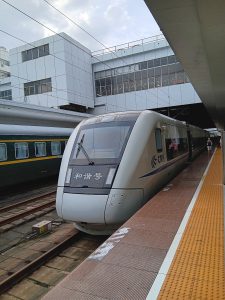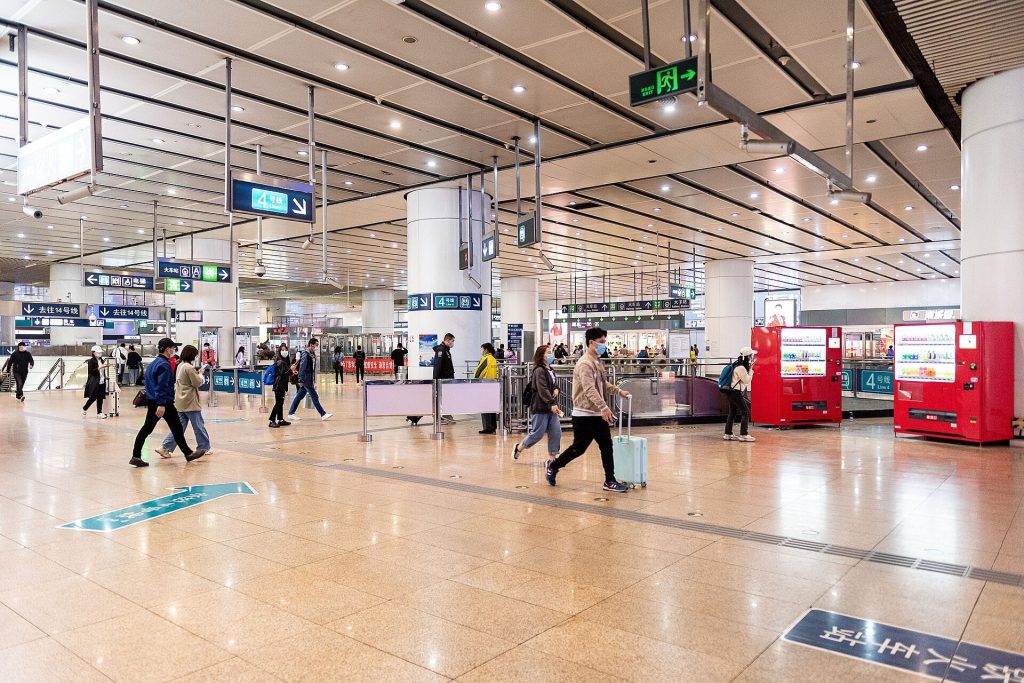
Beijing does not have one railway station with many wings. It has several large stations across the city, and a ticket that says 北京南 (Beijing South) is not a ticket that delivers you to 北京西 (Beijing West), 北京 (Beijing Railway Station), 北京朝阳 (Beijing Chaoyang), 北京丰台 (Beijing Fengtai), or 北京清河 (Qinghe). Foreigners who treat a same-day change as a corridor walk sometimes discover they have a metro ride, a security queue, and a second station to enter. This guide is about transferring among those stations—not a repeat of the South-station-only walkthrough.
Use Beijing South Railway Station guide when your world is only Beijing South. For subway habits, keep Beijing subway transfer stations and Beijing subway first-timers. Ride-hailing is Didi ride-hailing for foreigners. A seasonal city frame is Beijing early December first-visit planner.
Read the station name as if it were the destination
On a 12306 ticket or e-ticket screen, the station field is the one that matters, in Chinese characters first and pinyin second. Official 12306 names win over blog shorthand, hotel English, and a map pin a driver last used. “Beijing station” in casual speech can mean the older 北京站, not South, and a taxi driver who hears only “Beijing train station” may take you to the wrong building.
Before you leave the first arrival hall, confirm:
- The exact departure station of the next train, in Chinese
- Whether that name matches the building you are standing in
- How you will move: subway, Didi or taxi, or (rarely, and only if it is truly the same complex) a walk
Save the Chinese name in your notes. Show it once, clearly, rather than stacking three translation apps on a platform.
These are separate buildings across the city
Beijing South is a major high-speed hub; many travellers to Shanghai and other eastern cities start or end there. Beijing West handles a large volume of western and southwestern services. The older Beijing Railway Station remains an important city-centre station. Chaoyang, Fengtai, and Qinghe have grown as additional high-speed or intercity gates, and they are not interchangeable with South or West.
We do not invent transfer minutes, taxi fares, or metro prices. Distances are urban, not airport-style connectors under one roof. A calm plan is: arrive, exit, ride or drive, enter the next station, clear security, and still have time before the gate closes. Peak morning and evening subway loads, luggage, and a wrong-exit walk all eat the buffer you thought was generous.
Subway lines that commonly serve these stations are marked in bilingual signage; follow the official line name and the exit number for the railway station, not a memory of a previous trip. Beijing subway transfer stations is the right sibling if you need transfer-station habits inside the metro itself. If you have bulky bags, stairs, or a tight interval, a taxi or Didi can be the kinder tool—use the official pickup point and the Chinese station name (Didi ride-hailing for foreigners, add foreign payment to Didi).
Security, re-entry, and leftover time
Every station has its own security and identity check. Leaving one building and entering another means doing that work again. Passport e-ticket gates, when they apply, still need you to be in the correct station with enough time to reach the right waiting area. We do not invent a national “arrive X minutes before” rule; stations and train types differ. Look at the ticket’s departure time, the gate or waiting-room guidance on the hall screens, and add a buffer you would be proud of if the metro paused.
If you miss the second train, do not board some other service on the old ticket. Use what to do if you miss a high-speed train and the 12306 order or a window.
Luggage storage exists at some stations and is a separate decision if you want to go into the city between trains (luggage storage at stations and airports). Do not assume a locker will be available at the last minute.
Early December pacing
Early December in Beijing is cold, often dry, and short on daylight. Outdoor transfer walks, taxi queues, and the last stretch from a subway exit to a hall door all feel longer in a wind you did not dress for. Sunsets come earlier than a November visit; a transfer that looked relaxed at 4 p.m. on a June map can finish in the dark. Wear a real coat, keep gloves where you can still operate a phone, and do not schedule a same-day Great Wall morning and a tight cross-city rail change as if they were one errand.
Weekend leisure traffic and weekday commuter peaks are different problems with the same advice: leave earlier than the raw travel-time estimate. Official 12306 station names, live subway maps, and the signs in front of you beat any printed minutes in a blog. Recheck your two tickets the night before, side by side, and say the two Chinese station names out loud once so they no longer look similar.
A calm same-day transfer habit
Write the two station names in Chinese on one note, with the second train’s number and departure time. Screenshot both tickets. If the interval looks tight for luggage and a subway ride, move the later train or take a car rather than hoping the city will make space. Official 12306 names, not hotel English, should be what you show a driver or a ticket inspector.
Related Lovely China reading
For payments, start with Alipay and WeChat Pay hub and WeChat Pay vs Alipay for tourists. For trains, keep high-speed rail first-timers guide and 12306 passport signup for foreigners handy. City hubs: Beijing first-visit guide, Shanghai first-visit guide. Connectivity: roaming vs local SIM honest guide, pocket Wi-Fi vs eSIM for China, offline maps for foreigners. Bookmark China travel tools page.
Practical checklist
- Confirm official rules on the relevant government, park, airline, or bank page near your travel week
- Screenshot bookings, tickets, and QR codes while you still have stable Wi-Fi
- Save hotel and attraction names in Chinese characters in your phone notes
- Carry passport, a backup payment method, and a small cash float (why cash is still needed)
- Test one small mobile payment before you rely on wallets at a gate or taxi
- Keep the China travel tools page page bookmarked for related Lovely China hubs
FAQ
Is Beijing South the same complex as Beijing West or Beijing Railway Station?
No. These are separate stations across the city. Read the exact station name in Chinese on each ticket. A same-day change is usually a subway or car ride plus another security check, not a corridor walk.
How many minutes should I leave for a transfer?
We do not invent transfer minutes, fares, or a single official buffer. Count exit, travel, re-entry, security, and leftover time before the gate, and add more in early-December cold and peak hours.
What should I screenshot before I lose Wi-Fi?
Both tickets side by side, the two station names in Chinese, the second train’s number and departure time, and a metro or Didi plan for the gap.
Notes for late 2026 travellers
November and early December bring cooler mornings, earlier sunsets, and comfortable walking weather across much of eastern and central China. Pack layers and leave extra time on clear weekends at popular sights.
This article does not invent ticket prices, opening hours, processing times, consular fees, or official statistics. When a number matters, verify it on the official site, app screen, or ticket board near your travel week.
If an official rule page disagrees with this guide, follow the official page. Lovely China orients English-speaking travellers; we are not an immigration, banking, or medical authority.