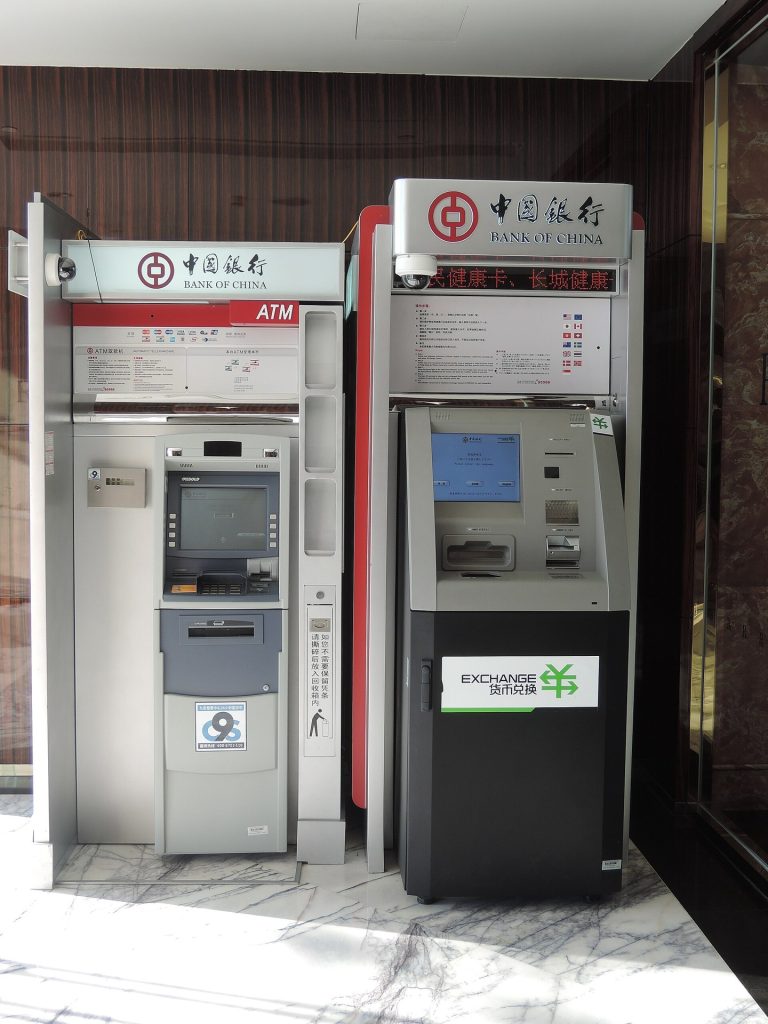
At a China ATM or a hotel checkout terminal, a foreign card often triggers a question that looks helpful: would you like to be charged in your home currency? That offer is dynamic currency conversion, or DCC. It is usually optional. Choosing the local currency—CNY or RMB—typically lets your own card issuer do the conversion later. Choosing the familiar currency lets the terminal or its partner convert now, often at a rate you cannot compare on the spot. This page is about recognising that prompt and deciding calmly. It is not a fee table, and it is not the same topic as in-app Alipay foreign-exchange fees.
For withdrawal mechanics and limits, use ATM foreign-card cash withdrawal and ATM foreign-card daily limits and fees. For wallet conversion, see Alipay foreign-card exchange rates and fees. For the moments cash still matters, keep when you still need cash close.
What DCC is, and what it is not
DCC is a conversion that happens at the terminal, before the charge reaches your issuer in the usual way. The screen may show an amount in dollars, euros, pounds, or another home currency, sometimes with a rate or a small “accept / decline” choice. The wording is often abbreviated, bilingual, or cramped. Words like “conversion,” “preferred currency,” or a pre-ticked box are clues. So is a large number in your home currency next to a smaller one in CNY.
It is not the same as Alipay or WeChat Pay showing you an estimate inside a wallet. Those apps have their own confirmation screens and their own fee lines, which belong in Alipay foreign-card exchange rates and fees. It is also not automatically a scam. It is a retail conversion product. Whether it is a good deal depends on the rate and on what your bank would have charged instead. We do not invent markup percentages. Many travellers still prefer to decline DCC and let the issuer convert, because they can later read a familiar statement and because the terminal rate is rarely the one they would have shopped for.
Your bank may also levy a foreign-transaction fee on issuer-converted charges. That fee is between you and the issuer. Confirm it with your own bank before you travel, and do not treat a blog as a substitute for that conversation.
How the prompt appears at ATMs
On a Chinese bank ATM, the choice may arrive after you insert or tap the card, enter the PIN, and request a withdrawal amount. Some screens ask, in effect, whether to debit you in CNY or in your card’s currency. Some use flags, ISO codes, or a highlighted button that looks like the “easy” path because it shows your home currency first.
Slow down. If you want issuer conversion, choose the local currency—CNY, RMB, or 人民币—even if the home-currency number feels easier to understand. If the interface is unclear, cancel and try another machine or a staffed counter rather than accepting a conversion you cannot read (bank-counter cash withdrawal with passport).
Receipts can help. If the slip shows a currency you did not intend, photograph it before you walk away. A single unexpected conversion is easier to dispute or at least to understand than a week of forgotten acceptances.
ATM cash remains subject to issuer and machine limits, which we do not invent; see ATM foreign-card daily limits and fees. DCC does not remove those limits. It only changes how the amount is expressed.
How the prompt appears at hotel desks and other terminals
Hotel checkout, a deposit hold, or a restaurant pay terminal can offer the same choice in a tighter layout. A clerk who is hurrying through a queue may turn the screen toward you for a second. A “yes” written in your language can be the DCC acceptance, not a confirmation of the room bill.
Ask, politely, to be charged in RMB or CNY if that is what you want. You can also say you do not want currency conversion. If the clerk is unsure, the phrase “local currency” plus “人民币” is usually clearer than a lecture about DCC. If a pre-authorisation already went through in the wrong currency, settle it at the desk before you leave rather than hoping the departure-day charge will fix itself.
Other counters—museum ticket machines, rail station halls, department stores—may use similar terminal software. The habit is the same: look for a currency choice, prefer CNY if you want your issuer to convert, and keep a backup payment method.
A simple rule, and when to pause
A workable default for many travellers is: decline DCC, pay or withdraw in CNY, and let the card issuer convert. Then compare the eventual statement with any rate the terminal displayed, so you learn how your own bank behaves.
Pause instead of following the default when:
- The screen is so abbreviated that you cannot tell which button is CNY
- The amount in either currency looks unrelated to what you just requested
- You are being asked to accept a conversion on a large hotel bill you have not yet checked
- Your issuer has already told you something specific about how it handles China transactions
Cancel, try another terminal, use a second card, or pay another way—wallet, another card, or a modest amount of cash (when you still need cash, foreign card tap-to-pay in stores). Do not invent a universal “always cheaper” claim. Read the screen in front of you, and recheck your bank’s travel advice near the week you fly.
Related Lovely China reading
For payments, start with Alipay and WeChat Pay hub and WeChat Pay vs Alipay for tourists. For trains, keep high-speed rail first-timers guide and 12306 passport signup for foreigners handy. City hubs: Beijing first-visit guide, Shanghai first-visit guide. Connectivity: roaming vs local SIM honest guide, pocket Wi-Fi vs eSIM for China, offline maps for foreigners. Bookmark China travel tools page.
Practical checklist
- Confirm official rules on the relevant government, park, airline, or bank page near your travel week
- Screenshot bookings, tickets, and QR codes while you still have stable Wi-Fi
- Save hotel and attraction names in Chinese characters in your phone notes
- Carry passport, a backup payment method, and a small cash float (why cash is still needed)
- Test one small mobile payment before you rely on wallets at a gate or taxi
- Keep the China travel tools page page bookmarked for related Lovely China hubs
FAQ
Should I accept the amount shown in my home currency?
Not automatically. That offer is often dynamic currency conversion at the terminal. If you want your card issuer to convert, choose CNY or RMB and decline DCC. Confirm the eventual statement with your own bank.
Is this the same as Alipay showing a rate in the app?
No. Alipay foreign-exchange confirmation is a different path with its own screens. This article is about ATM and hotel-terminal currency prompts.
What should I screenshot before I lose Wi-Fi?
The terminal or receipt currency line if a conversion was offered or applied, the withdrawal or hotel amount you intended, and any note from your issuer about foreign-transaction fees.
Notes for late 2026 travellers
November and early December bring cooler mornings, earlier sunsets, and comfortable walking weather across much of eastern and central China. Pack layers and leave extra time on clear weekends at popular sights.
This article does not invent ticket prices, opening hours, processing times, consular fees, or official statistics. When a number matters, verify it on the official site, app screen, or ticket board near your travel week.
If an official rule page disagrees with this guide, follow the official page. Lovely China orients English-speaking travellers; we are not an immigration, banking, or medical authority.